Table of Contents
- Why a Specialized 179D Tax Consultant Matters Now
- Section 179D Basics: What the Energy Efficient Commercial Buildings Deduction Actually Is
- Who Qualifies for the 179D Deduction Today?
- How Much Is the 179D Tax Deduction Worth Under the Inflation Reduction Act?
- The Role of a 179D Tax Consultant: What Corporate Tax Advisors Actually Does
- Step-by-Step: How the 179D Deduction Claim Process Works
- Common Pitfalls and How a 179D Consultant Helps You Avoid Them
- What to Look for in a 179D Tax Consultant
- FAQs About Working with a 179D Tax Consultant
- Why Choose Corporate Tax Advisors as Your 179D Tax Consultant
- Talk to a 179D Tax Consultant About Your Next Project
Why a Specialized 179D Tax Consultant Matters Now
The 179D tax deduction can deliver more than $5 per square foot in immediate tax savings for energy efficient commercial building projects, yet a surprising number of building owners and architecture and engineering firms never claim it. The rules sit at the intersection of the internal revenue code, energy modeling software, prevailing wage law, and mechanical engineering standards published by the American Society of Heating, Refrigerating and Air Conditioning Engineers (ASHRAE). That complexity is exactly why a specialized 179D tax consultant exists.
Corporate Tax Advisors (CTA) has focused on specialty tax incentives since 2014, and 179D green energy is one of our core service lines. The Inflation Reduction Act changed section 179D in 2022, dramatically raising the maximum deduction and expanding eligibility to buildings owned by specified tax exempt entities such as universities, hospitals, and government agencies. If you are a commercial building owner, designer, engineer, contractor, or CPA looking for tax savings opportunities on energy efficient property, this guide walks you through exactly how the deduction works, what it is worth today, and how CTA’s process turns complexity into cash flow.
Section 179D Basics: What the Energy Efficient Commercial Buildings Deduction Actually Is
Section 179d is a federal tax deduction under the tax code that rewards investment in energy efficient buildings. It was originally created by the energy policy act of 2005, made permanent through the consolidated appropriations act of 2021, and significantly enhanced by the Inflation Reduction Act of 2022. Unlike a tax credit, which reduces tax liability dollar for dollar, a tax deduction reduces taxable income, so the actual cost savings depend on your marginal rate. Still, eligible projects routinely generate six-figure tax benefits.
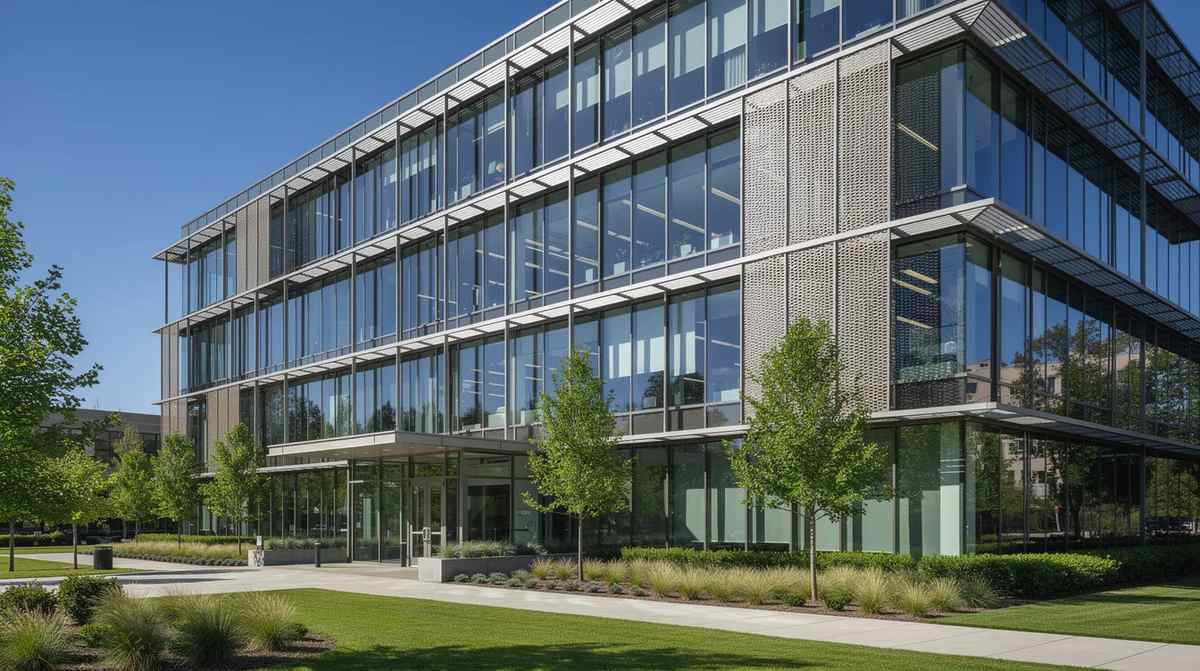
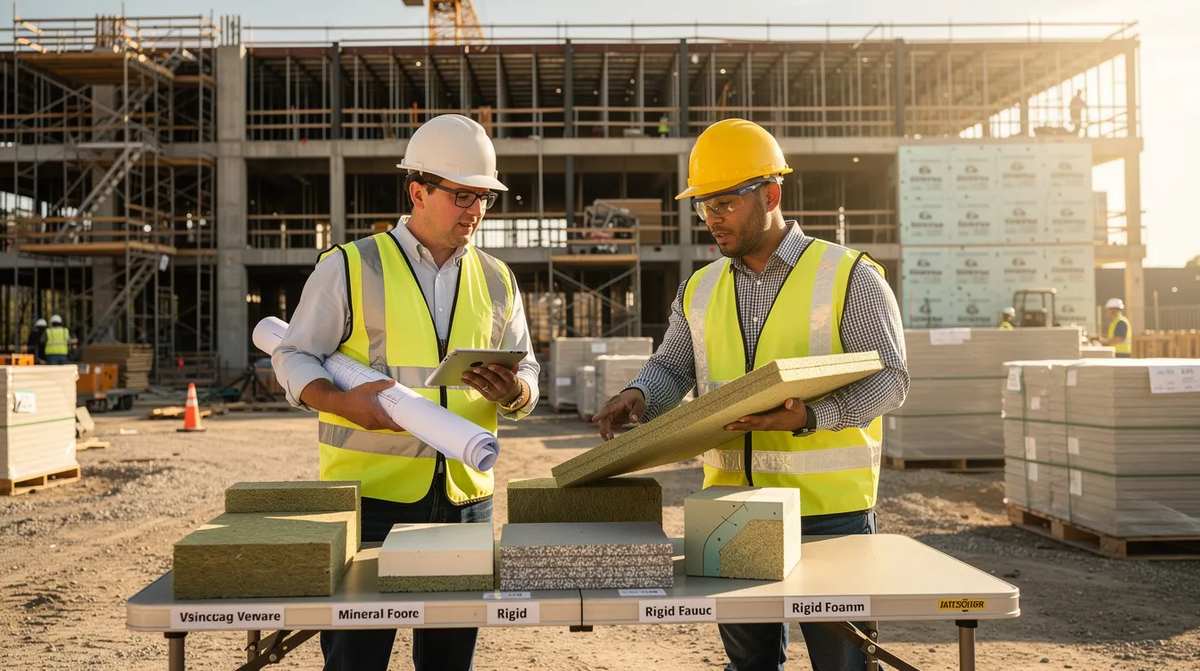
The deduction applies to energy-efficient upgrades in commercial buildings across three core system categories: HVAC and hot water systems, interior lighting systems (evaluated against illuminating engineering society standards), and the building envelope. The U.S. Department of Energy provides two pathways for qualifying projects: the traditional modeling pathway for new construction and the alternative measurement pathway for retrofits using actual energy consumption data. Both require that the building’s energy performance achieve at least 25% energy savings compared to a reference building modeled under ASHRAE Standard 90.1.
It is important to distinguish 179D from other clean energy incentives. A solar array on the roof may qualify for the Investment Tax Credit, but the building’s lighting upgrade, envelope insulation, and high-efficiency HVAC are where the 179d deduction applies. These incentives can stack when coordinated properly.
Who Qualifies for the 179D Deduction Today?
Eligibility rules differ for building owners versus designers, especially after the Inflation Reduction Act changes effective for property placed in service on or after January 1, 2023.
Commercial building owners of for-profit entities can claim the 179d tax deduction directly when they invest in energy efficient components and energy efficient systems that meet savings thresholds. Eligible buildings must be located in the U.S. and depreciable. The deduction can also apply to buildings placed in service at least five years prior when a qualified retrofit plan is in place.
Section 179D now applies to tax-exempt organization buildings as well. Tax exempt entities such as government entities, governmental entities, 501(c)(3) religious organizations, indian tribal governments, and alaska native corporations cannot use the deduction themselves. Instead, they can issue an allocated deduction to the designers primarily responsible for the energy efficient design of the tax exempt buildings. The section 179D deduction is therefore available to designers of tax-exempt buildings, including engineering firms, construction firms involved in design, and specialized energy consultants who create the technical specifications. Contractors may qualify if involved in the building’s design, but installation-only or maintenance-only firms typically do not meet the IRS definition. A qualified 179D tax consultant should review contracts and scopes of work to confirm eligibility.
Building Types and Projects That Commonly Qualify
Eligible buildings must fall within ASHRAE Standard 90.1 scope. Common examples include:
- K–12 schools and university campuses
- Courthouses, military facilities, and government owned buildings
- Hospitals and large non-profit campuses
- Office towers, warehouses, and manufacturing plants
Both new construction and retrofits qualify. For retrofits, a qualified retrofit plan must cover buildings placed in service at least five years before the plan is established. Projects placed in service in 2023 or 2024 are strong current candidates.
How Much Is the 179D Tax Deduction Worth Under the Inflation Reduction Act?
The efficient commercial buildings deduction is now a sliding scale. A minimum of 25% energy savings versus the reference building unlocks the base rate. Each additional percentage point of total annual energy and power costs reduction increases the deduction amount per square foot.
| Criteria | Without Prevailing Wage | With Prevailing Wage & Apprenticeship |
|---|---|---|
| 2023 Maximum | ~$1.00/sq ft | ~$5.00/sq ft |
| 2024 Maximum | ~$1.13/sq ft | ~$5.65/sq ft |
| 2025 Maximum (est.) | ~$1.16/sq ft | ~$5.81/sq ft |
The maximum deduction increases to over $5 per square foot with prevailing wage and apprenticeship requirements met. Without those requirements, the tax deduction capped at roughly $1.00–$1.16 per square foot depending on year. New prevailing wage requirements increase deduction amounts significantly, making compliance review essential.
Example: A 100,000 square foot energy efficient commercial building meeting bonus criteria at 40% savings in 2024 could generate a deduction exceeding $500,000. Eligible projects can yield up to $500,000 in tax deductions, directly reducing your tax burden and improving cash flow. Even a partial deduction at lower savings percentages delivers meaningful tax benefits. The maximum value of the deduction depends on achieving the highest savings tier and satisfying labor requirements.
ASHRAE Standards and the Moving Target for Energy Modeling
Energy savings must now be measured against updated ASHRAE standards, and the applicable version depends on construction timing. Buildings starting construction after December 31, 2022 and placed in service after December 31, 2026 use ASHRAE 90.1-2019 as the baseline. Per IRS Announcement 2024-24, property placed in service after 2028 (with construction beginning after 2022) shifts to 90.1-2022.
This nuance materially affects modeled savings. A stricter baseline makes achieving the 25% threshold harder. Involving a 179D tax consultant and a licensed professional engineer early ensures the correct standard is applied and the energy modeling reflects realistic, defensible savings.
The Role of a 179D Tax Consultant: What Corporate Tax Advisors Actually Does
A 179D tax consultant bridges tax law, engineering, and project documentation to safely capture the largest allowable deduction. Consultants are crucial for navigating the complex requirements of the 179d deduction, from prevailing wage documentation to allocation letters for government agencies and other tax exempt organizations.
CTA’s team coordinates with your CPA, in-house finance staff, and project engineers to handle every step. Since 2014, CTA has delivered specialty incentives including 179D, R&D credits, cost segregation, and clean energy ITCs, which helps identify overlapping tax savings on a single project. CTA works on a contingency-fee basis for 179D studies: no fee unless a deduction is identified.
Key Services a 179D Consultant Provides
- Feasibility reviews of drawings, specifications, and cost data to estimate potential deductions before a full study begins
- Energy modeling using IRS-approved software that compares the qualified building to the required ASHRAE baseline; consultants perform energy modeling to demonstrate energy savings precisely
- Certification coordination with a professional engineer who conducts on-site inspections and issues 179D certifications; improvements must be certified by a qualified third party for the deduction
- Allocation letter drafting for tax exempt buildings, ensuring compliant language and correct EINs so designers receive the allocated deduction
- Audit-ready study reports supporting IRS Form 7205 and backed by detailed workpapers
- Consultants help maximize deductions by navigating requirements for prevailing wage and apprenticeship, and they help secure allocations for designers of tax-exempt buildings under 179D rules
Step-by-Step: How the 179D Deduction Claim Process Works
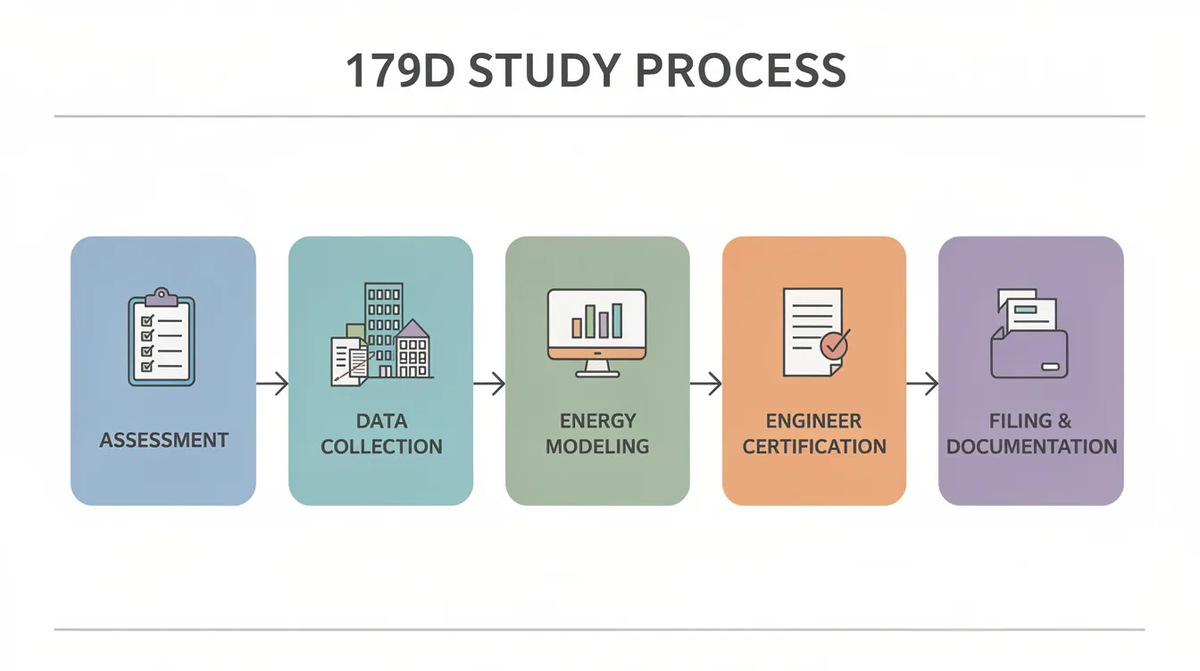
A Section 179D study must be completed first before any deduction is claimed. Here is how a typical engagement with CTA progresses:
- Discovery & Free Eligibility Assessment – CTA gathers building use, size, location, placed-in-service date, ownership structure, and tax status to determine whether 179D is worth pursuing.
- Data Collection & Scope Definition – Drawings, mechanical/electrical schedules, lighting layouts, and cost breakdowns define which systems qualify as energy efficient property.
- Energy Modeling & Site Visit – CTA’s engineering partners run IRS-compliant models, compare savings against the ASHRAE reference building, and verify installed systems on-site. A qualified third party must conduct the Section 179D study.
- Certification & Allocation – A professional engineer signs the certification. For tax exempt buildings, the owner issues an allocation letter assigning the 179D deduction to eligible designers.
- Tax Return Reporting – You claim the Section 179D deduction using Form 7205. The deduction can be claimed in the same tax year as service. Documentation is necessary to certify energy savings for the 179D deduction.
Timeline, Documentation, and IRS Audit Readiness
A typical study takes several weeks to a few months depending on project size. Key documents to preserve include contracts showing design responsibility, stamped drawings, energy modeling files, commissioning reports, and detailed cost records. The IRS Large Business and International division has published practice units specifically for 179D, so thorough documentation is non-negotiable. CTA organizes everything into an audit-ready package and supports clients during any IRS inquiry.
Common Pitfalls and How a 179D Consultant Helps You Avoid Them
The biggest risk is either overclaiming (triggering exposure) or underclaiming (leaving money on the table). Energy efficiency improvements must meet specific standards to qualify for the 179D deduction, and common mistakes include:
- Assuming all energy efficient construction automatically qualifies without proper modeling
- Misidentifying the “designer of record” for tax exempt buildings
- Ignoring prevailing wage rules and losing access to the bonus tier
- Applying the wrong edition of ASHRAE 90.1
- Submitting incomplete allocation letters with incorrect EINs or vague property descriptions
One anonymized example: a midwestern engineering firm initially assumed its work on government owned buildings was ineligible because the firm was “just the MEP subcontractor.” After CTA reviewed scope documents, the firm qualified as the designer and captured mid-six-figure deductions across several qualifying projects. Many CPAs avoid 179D entirely due to its technical nature, which means missed tax savings opportunities for their clients. A specialized consultant complements, rather than replaces, the primary CPA.
Coordinating 179D with Other Tax Incentives
Many qualifying buildings also generate other incentives. A new facility might combine 179D with a tax credit like the Investment Tax Credit for solar, R&D credits for innovative building technologies, or cost segregation benefits. CTA’s broader practice helps sequence these so that the 179D deduction does not conflict with other claims. For manufacturers, combining 179D with R&D credits and jobs and training incentives can substantially improve overall project ROI and contribute to a more sustainable future.
What to Look for in a 179D Tax Consultant
Choosing the right advisor matters because 179D involves engineering, tax law, and IRS scrutiny. Look for:
- Deep familiarity with section 179D post-Inflation Reduction Act
- Access to licensed professional engineers for certification
- A track record across both commercial building owners and designers of tax-exempt projects
- Transparent contingency fees and clear engagement letters
- Willingness to work directly with your existing CPA
Why Corporate Tax Advisors (CTA) Is a Strong Choice
CTA has specialized in complex tax incentives since 2014. We offer free initial 179D evaluations nationwide and work primarily on contingency, meaning no fee unless a deduction is identified. Our experience spans architecture and engineering firms, construction firms, and commercial building owners across manufacturing, software, and other industries. In one recent engagement, CTA helped a regional engineering firm convert multiple tax-exempt school projects into over $400,000 in deductions. Our process is collaborative, transparent, and audit-ready, giving management teams and their CPAs full confidence.
FAQs About Working with a 179D Tax Consultant
Is 179D still available after the Inflation Reduction Act? Yes. Section 179D is permanent and enhanced, with higher potential deductions for energy efficient commercial buildings. However, under the One Big Beautiful Bill Act, the deduction will not apply to property whose construction begins after June 30, 2026, so act quickly.
How far back can I claim the 179D deduction? Claiming the deduction retroactively is possible for three years. Building owners can often use accounting method changes to reach back further, while deductions can be claimed retroactively for three open tax years for designers.
Will claiming 179D increase my risk of an IRS audit? It does not automatically trigger an audit, but 179D is on the IRS radar. High-quality studies and thorough documentation reduce risk significantly.
What is the cost of a 179D study? CTA works on contingency. Fees are a percentage of the tax benefit identified and are discussed upfront during the free eligibility assessment.
Can my regular CPA handle 179D without a consultant? Most CPAs rely on specialized 179D consultants due to the engineering and energy modeling requirements. Your CPA remains responsible for the overall return, while the consultant handles the technical study.
What types of improvements qualify for 179D? Qualifying improvements include HVAC systems, interior lighting, hot water systems, and building envelope upgrades. Improvements must achieve at least 25% energy savings compared to a reference building and be verified through proper energy modeling rather than just equipment labels.
Who counts as a “designer” for tax-exempt building allocations? Architecture and engineering firms, design-build contractors, and energy consultants who create technical specifications for energy efficient systems. Pure installers do not qualify.
Why Choose Corporate Tax Advisors as Your 179D Tax Consultant
CTA brings over a decade of focus on specialty tax incentives, deep 179D experience, engineering partnerships, and nationwide reach. Our contingency-based fee model and free initial evaluations make exploring potential 179D savings risk-free for building owners and design firms. We work alongside your existing CPA and finance team to ensure the 179D strategy fits within your broader tax and capital planning, while also evaluating complementary incentives like R&D credits, clean energy ITCs, cost segregation, and jobs and training credits. The result is maximum tax efficiency across every eligible project, reduced tax liability, and meaningful reinvestment capacity for a sustainable future.
Talk to a 179D Tax Consultant About Your Next Project
Schedule a free 179D consultation with CTA to review your current or recent energy efficient building projects. Share your building size, type, and placed-in-service date, and we will provide a quick eligibility review with no obligation. CTA coordinates with your existing CPA or accounting firm throughout the process. Your next energy efficient construction project could unlock substantial cost savings, lower your tax burden, and free up capital to invest in the work that matters most.