Table of contents
- Why Work With a 179D Deduction Consultant Now
- Section 179D Basics: What the Energy Efficient Commercial Buildings Deduction Is
- Who a 179D Deduction Consultant Helps: Owners, Designers, and Tax-Exempt Projects
- How a 179D Deduction Consultant Works with You (CTA’s Process)
- Key Technical Requirements a 179D Consultant Manages
- Common 179D Mistakes and How a Consultant Helps You Avoid Them
- When to Engage a 179D Deduction Consultant
- Why Choose Corporate Tax Advisors as Your 179D Deduction Consultant
- FAQs About Working with a 179D Deduction Consultant
- Talk to a 179D Deduction Consultant at CTA
Why Work With a 179D Deduction Consultant Now
Right now, building owners and primary designers of energy efficient commercial buildings are leaving serious money on the table. The section 179D deduction can provide over $5.00 per square foot in tax savings, and the maximum deduction reached approximately $5.81 per square foot in 2025 for projects meeting prevailing wage and apprenticeship requirements. The Inflation Reduction Act changed Section 179D in 2022, and the maximum deduction is indexed for inflation starting in 2023. Deductions increased to $5.36 per square foot for 2023 and rose to $5.65 per square foot for 2024. Most energy efficient projects can exceed $5.00 per square foot in deductions when structured correctly. Yet many commercial building owners and architecture and engineering firms never claim this valuable incentive.
Corporate Tax Advisors (CTA) acts as a specialized 179D deduction consultant for commercial building owners, architects, engineering firms, and designers of tax exempt buildings. A 179D deduction consultant helps claim Section 179D tax deductions by managing the technical study, energy modeling, and IRS documentation that most CPAs aren’t equipped to handle alone.
Section 179D is the efficient commercial buildings deduction under the internal revenue code. It applies to HVAC system upgrades, interior lighting systems, and building envelope improvements in both new construction projects and retrofits of existing buildings. Urgency is real: projects that begin construction after June 30, 2026 are no longer eligible under current law, and buildings placed in service on or after January 1, 2027 must meet the stricter ASHRAE 90.1-2019 standard. This article covers who qualifies, how the process works, and why partnering with CTA delivers results.
Section 179D Basics: What the Energy Efficient Commercial Buildings Deduction Is
The energy policy act of 2005 created Section 179D as a federal tax deduction for energy efficient commercial building property. The consolidated appropriations act of 2021 made it permanent, and the Inflation Reduction Act of 2022 expanded it significantly.
The core concept: a per square foot tax deduction for making energy efficient improvements to commercial buildings and certain residential buildings four stories or higher that reduce energy consumption. Unlike standard depreciation over 39 years, the 179D tax deduction accelerates the write-off into the tax year the building is placed in service, creating immediate cost savings and improved cash flow.
Section 179D rewards investments in energy efficient upgrades or renovations across three qualifying systems: HVAC and hot water, lighting systems including led lighting, and the building envelope (roofs, walls, insulation, windows, doors). The deduction requires specific energy improvements compared to reference buildings built to ASHRAE standards. A Section 179D study must be completed first, and energy savings must typically meet a 25% reduction threshold to qualify. Buildings must reduce energy consumption by 25% compared to ASHRAE 90.1-2007 for most current projects. Energy modeling establishes a baseline for claiming deductions and verifies that projects meet those standards.
The base deduction starts around $0.50 per square foot at 25% energy saving, scaling up by roughly $0.02 per percentage point to approximately $1.00 per square foot at 50%+ savings. With prevailing wage and apprenticeship compliance, the total can reach the 5x bonus level, producing significant tax savings on a per square foot basis.
Who a 179D Deduction Consultant Helps: Owners, Designers, and Tax-Exempt Projects
Many stakeholders in energy efficient buildings benefit from the 179D deduction, but the rules differ depending on ownership structure. Consultants evaluate commercial and tax-exempt buildings for qualifications, and CTA helps each party navigate the eligibility criteria that apply to them.
Commercial buildings include offices, retail stores, and warehouses. Commercial building owners and real estate investors in hotels, logistics centers, industrial plants, parking garages, and buildings owned as 4+ story residential properties all qualify. For these building owners, the tax deduction directly reduces tax liability on their tax return, improving ROI on energy efficient technologies and operational costs.
The Section 179D deduction can be allocated to primary designers of public projects. Architects and engineers must design energy efficient systems to qualify, and tax exempt buildings can allocate deductions to designers via an allocation letter. Eligible buildings include schools, hospitals, and government facilities. After the Inflation Reduction Act, Section 179D now allows deductions for tax exempt buildings across a wider range of tax exempt entities and other tax exempt organizations, including private universities and nonprofit healthcare systems. Buildings owned by tax exempt organizations qualify for Section 179D, and eligible buildings include government owned buildings and non-profit structures. Government entities, government agencies, and local municipalities can all participate. Residential buildings must be four stories or higher to qualify.
CTA works alongside the company’s CPA as a 179D deduction consultant, handling the technical study and certification while the CPA manages return preparation and overall tax strategy.
How a 179D Deduction Consultant Works with You (CTA’s Process)
Since 2014, CTA has refined a repeatable process that consultants streamline from project identification to certification. Here is how it works:
Step 1 – Free feasibility screening. CTA reviews building type, square footage, placed-in-service dates, and available drawings or MEP specs. This determines whether buildings qualify and estimates potential 179D tax deduction ranges. Consultants identify eligible projects for the Section 179D deduction at this stage.
Step 2 – Data collection and site visit. CTA gathers construction documents, equipment schedules, technical specifications, and utility data. A licensed professional engineer performs or oversees site verification for certification. A qualified third party must conduct the Section 179D study, and CTA provides or coordinates that expertise.
Step 3 – Energy modeling. They use approved software to perform energy modeling for deductions, comparing the project against the applicable ASHRAE 90.1 reference building. This documents whether the project achieves at least 25% reduction in total annual energy and power costs.
Step 4 – Calculating and documenting the deduction. CTA calculates the per square foot deduction, including any PWA bonus, and prepares a detailed study report with breakdown by system: lighting, HVAC, and building envelope. A partial deduction is available when only one or two systems are modeled. The report covers qualifying improvements and installed property.
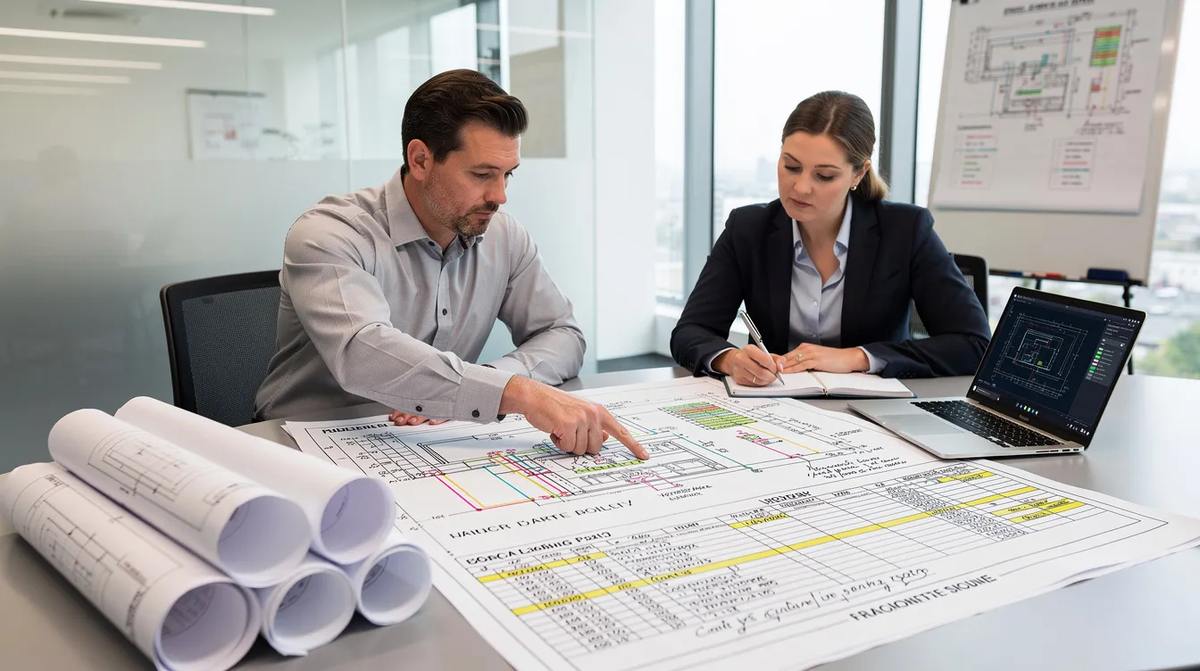
Step 5 – Allocation and filing support. For tax exempt and government owners, specialist consultants can facilitate deduction transfers from government entities to designers, helping secure and document the allocation letter. Claim the Section 179D deduction using Form 7205. Consultants provide documentation required for IRS compliance and navigate complex IRS regulations related to the 179D deduction. Claim the deduction in the tax year the building is in service. Consultants help secure required certifications for IRS audits.
CTA typically works on a contingency basis-no fee unless benefits are identified-and coordinates with the existing tax team to minimize disruption.
Key Technical Requirements a 179D Consultant Manages
CFOs and project executives should understand the risk areas a consultant handles. They ensure compliance with the latest legislative requirements for maximum deductions.
The energy savings threshold requires at least a 25% reduction in total annual energy and power costs versus the reference building to reduce energy consumption enough to qualify. Energy performance must be documented against the correct ASHRAE standard. For energy efficient properties placed in service before January 1, 2027, ASHRAE 90.1-2007 applies. For buildings placed in service on or after that date with construction begun after January 1, 2023, ASHRAE 90.1-2019 is the benchmark.
Prevailing wage and apprenticeship requirements unlock the higher bonus deduction-up to 5x the base rate. Documentation of payroll and subcontractor compliance is critical, and the cost of meeting these requirements must be weighed against the tax benefits.
Building eligibility conditions require U.S. location and commercial use or eligible large residential use. The taxpayer claiming the deduction must be able to depreciate the property. Construction firms and energy service providers involved in eligible projects should coordinate with the consultant early.
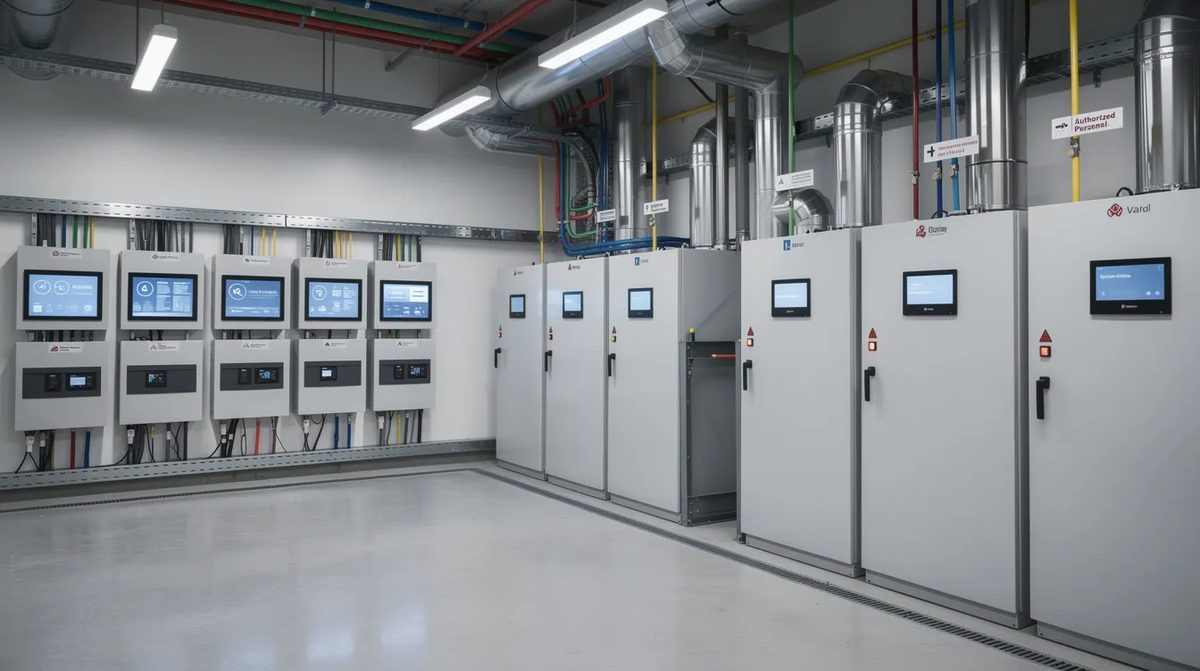
“Placed in service” means ready and available for intended use. Buildings still under construction do not yet qualify. Retroactive opportunities exist: owners can often look back via accounting method change, and designers can claim deductions for three open tax years retroactively where returns are still open under internal revenue service rules.
A third-party professional engineer must certify the energy efficient commercial building property. CTA provides or coordinates that engineering expertise as part of every engagement.
Common 179D Mistakes and How a Consultant Helps You Avoid Them
The 179D deduction has been the subject of multiple IRS audit practice units, so documentation quality directly impacts audit risk. Consultants can identify overlooked improvements in building renovations and catch errors before filing.
Common mistakes include assuming standard lighting upgrades or led lighting retrofits automatically qualify without energy modeling, ignoring the building envelope contribution to energy consumption, mis-identifying the “designer” on government and nonprofit projects, overlooking PWA documentation, and double-counting earlier 179D deductions. For construction projects involving tax exempt organizations, mishandling the allocation letter process is another frequent issue raised by the American Institute of Architects and air conditioning engineers associations.
A 179D deduction consultant like CTA sets up a repeatable process for portfolio owners-REITs, multi-site retailers, ideal candidates with large square footage across multiple properties-so each new building or retrofit is evaluated consistently rather than ad hoc.
Consider a 150,000 sq ft municipal building designed in 2023. The architect secured an allocation letter and captured over $700,000 in 179D deductions thanks to PWA bonus compliance and high-performance envelope and HVAC upgrades. Without a specialized consultant, that deduction would likely have been missed entirely-the CPA didn’t have the engineering resources to model energy efficient designs against the ASHRAE baseline.
Properly documented claims do not inherently increase audit risk. CTA aligns its workpapers with IRS expectations, and in 2023 the deduction increased to $5.36 per square foot while in 2024 the deduction rose to $5.65 per square foot-the maximum deduction for 2023 is indexed for inflation, making accurate documentation even more important as dollar amounts grow.
When to Engage a 179D Deduction Consultant
Pre-design or early design phase. Involving a consultant when setting performance targets allows the team to intentionally design for 25%+ energy savings and PWA compliance. This is when energy efficient designs have the greatest impact on the future deduction at the lowest cost.
Pre-occupancy and commissioning. As systems are being installed, CTA can begin data gathering and modeling so the 179D study is ready soon after placed-in-service, accelerating tax savings on the next tax return.
Post-construction look-back. Owners or designers should revisit the past 1–3 years for buildings that have never been evaluated. Major campus expansions, new warehouses, or hospital wings completed since 2020 are prime candidates. A Section 179D study must be completed to claim the deduction retroactively.
Trigger events. Planning a large capital budget for energy efficient upgrades, pursuing ESG targets, refinancing portfolios, or preparing for a sale are all moments when additional incentives from the 179D deduction can materially impact valuation. Section 179D applies to energy efficient buildings owned by tax exempt entities and taxable owners alike.
Why Choose Corporate Tax Advisors as Your 179D Deduction Consultant
CTA has specialized in complex tax incentives since 2014, with dedicated teams for 179D, clean energy ITC, cost segregation, R&D credits, and additional incentives across federal and state programs under the tax code.
CTA combines licensed professional engineers, energy modelers, and seasoned tax professionals under one roof. Clients don’t need to coordinate multiple vendors to complete a 179D study-the engineering and tax expertise is integrated.
CTA does not replace your primary accounting firm. Instead, CTA provides the 179D technical study, documentation, and filing support while the CPA handles return preparation and overall strategy. This partnership model works well for construction firms, architecture and engineering firms, and energy service providers.
CTA’s contingency-based pricing means no fee unless benefits are identified. This reduces upfront risk for building owners and design firms evaluating whether energy efficient improvements on their properties qualify.
Beyond 179D, CTA evaluates R&D credits, cost segregation opportunities, clean energy investment tax credits, and jobs and training credits simultaneously. This broader incentive strategy helps clients build a holistic roadmap instead of treating 179D as a one-off project.
FAQs About Working with a 179D Deduction Consultant
These questions reflect what CTA commonly hears from commercial building owners and design firms.
How much can my business realistically save with the 179D deduction? Savings range from tens of thousands to several million dollars depending on square footage and energy performance. A 200,000 sq ft distribution center achieving 40%+ energy savings with PWA compliance could generate a deduction exceeding $1 million. The deduction amount depends on how far above the 25% threshold your project performs.
Do I still need my CPA if I hire a 179D deduction consultant? Yes. The CPA remains essential for filing your tax return. The consultant provides the technical analysis, energy modeling, and documentation that the CPA relies on to claim the deduction properly.
Can I claim 179D for older buildings or past projects? Often, yes. Building owners may capture missed deductions through an accounting method change reaching back to 2006. Designers can claim deductions for three open tax years retroactively by filing amended returns where the statute is still open.
What documentation do I need before we start a 179D study? High-level items include construction drawings, mechanical and electrical spec sheets, dates buildings were placed in service, square footage by use, and any existing commissioning or energy reports. CTA guides you through exactly what’s needed.
Will claiming the 179D deduction increase my risk of an IRS audit? The 179D deduction alone does not automatically trigger an audit. High-quality energy modeling, PE certification, and complete workpapers from a reputable consultant help withstand scrutiny from the internal revenue service.
How does 179D interact with other incentives like cost segregation or clean energy ITC? The 179D deduction can often be layered with cost segregation and renewable energy credits, but coordination is required to avoid double-benefitting the same costs. CTA routinely structures projects to maximize combined benefit across all available tax incentives.
Talk to a 179D Deduction Consultant at CTA
The window for the 179D deduction is narrowing. Projects must begin construction by June 30, 2026 under current law, and the shift to ASHRAE 90.1-2019 adds complexity for newer buildings. A no-obligation assessment from CTA can reveal how much 179D tax deduction potential exists across your current buildings and pipeline projects.
Reach out to CTA’s 179D team with basic project information-building type, size, location, and placed-in-service date-for a preliminary review. Whether you’re a commercial building owner, architect, engineer, or design-build contractor working with government or tax exempt clients, the time to act is before deadlines close.
Every dollar recovered through 179D is a dollar you can reinvest in growth, sustainability initiatives, or additional energy efficient upgrades across your portfolio.
Related Services to Highlight
Clients who engage CTA for 179D consulting often also benefit from R&D tax credit studies, cost segregation analyses, clean energy investment tax credit evaluations, jobs and training credits, and transfer pricing support. Ask during your discovery call if a bundled review of multiple incentives makes sense for your situation.