Green tax incentives and rebates are financial tools used by governments to encourage environmentally sustainable behaviors by lowering the costs of going green. Whether you’re a homeowner planning solar panels or a business upgrading HVAC systems, these programs directly reduce out-of-pocket costs. Active federal credits for clean energy include up to 30% for solar technologies, up to $3,200/year for home improvements, and up to $7,500 for clean vehicles.
This article explains how green tax incentives and rebates work at federal, state, and local levels—helping you save money while supporting environmental responsibility. Rules change frequently, so confirm details with a tax professional before filing.
Table of Contents
- What Are Green Tax Incentives and Rebates?
- Homeowner Green Tax Incentives and Rebates
- Business Green Tax Incentives
- Electric Vehicle and Clean Transportation Credits
- How to Qualify and Apply
- Long-Term Financial and Environmental Benefits
- FAQ
- Conclusion: Start Planning Your Next Green Investment
What Are Green Tax Incentives and Rebates, and How Do They Work?
Tax credits directly reduce the amount of tax owed, while tax deductions lower taxable income, indirectly reducing taxes paid. Rebates typically come from utilities or states as cash or bill credits. Green tax incentives are financial benefits provided by the federal government to encourage businesses and individuals to adopt environmentally friendly practices, which can include tax credits, deductions, and grants. These key green tax incentives help reduce costs while supporting sustainability goals.
Many governments at federal, state, and local levels are expanding green tax incentives to encourage investment in renewable energy, energy efficient upgrades, and waste reduction. Stacking incentives—combining federal incentives with state and local incentives—often reduces project costs by 30–50% or more.

Homeowner Green Tax Incentives and Rebates
U.S. homeowners planning upgrades between 2024 and 2032 have access to substantial financial incentives for solar projects, energy efficient homes improvements, and clean energy installations. These upgrades can improve energy efficiency while lowering long-term energy costs.
Residential Clean Energy Credits (Solar, Wind, Geothermal, Batteries)
The federal Residential Clean Energy Credit offers 30% for qualifying renewable energy systems placed in service from 2022 through 2032, stepping to 26% in 2033 and 22% in 2034. As of 2023, the tax credit for residential solar electric and solar water heating systems covers 30% of installation costs, while residential fuel cells receive 26% up to $500 per 0.5 kilowatt of power capacity.
Eligible systems include:
- Solar PV and solar water heaters
- Small wind turbines
- Geothermal heat pumps
- Fuel cell systems
- Stand-alone battery storage (starting 2023)
For example, a $20,000 solar installation generates a $6,000 federal credit. If your tax bill is smaller, unused credits carry forward. Utilities may credit customers for excess energy produced through net metering, further reducing utility bills.
Energy-Efficient Home Improvement Credits
The Energy Efficient Home Improvement Credit, expanded by the Inflation Reduction Act, provides up to $1,200 annually for general efficiency upgrades plus up to $2,000 for qualified heat pump systems. Eligible improvements include insulation, exterior doors, windows meeting Energy Star standards, and electrical panel upgrades.
Dollar caps include:
- Up to $600 for qualified windows
- Up to $2,000 for heat pumps
- Up to $150 for home energy audits
Since this credit resets annually, strategic multi-year planning maximizes tax benefits. A homeowner completing insulation one year and a heat pump the next could claim $3,000+ in federal credits over two tax years.
State and Utility Rebates for Homeowners
Many states and local governments offer their own green tax incentives, including additional tax credits, rebates, and grants for renewable energy projects and energy efficient upgrades. State-administered rebate programs and local utility instant rebates vary by location and often support broader green initiatives.
Key action steps:
- Check the DSIRE database by ZIP code
- Contact your state energy office
- Review utility company programs
- Ask contractors about available rebates
Grants and rebates often cover a portion of costs for installing solar panels, electric vehicle chargers, or energy efficient appliances.
Business Green Tax Incentives: Credits, Deductions, and Accelerated Depreciation
Businesses—from retail shops to manufacturers—can leverage green incentives to reduce operating costs and overall tax bill simultaneously. Tax-exempt entities like schools and local governments may use elective pay options starting with 2023 projects. Many of these opportunities were expanded through legislation such as the Inflation Reduction Act and related provisions of the jobs act.
Investment Tax Credit (ITC) and Production Tax Credit (PTC)
The federal Investment Tax Credit allows taxpayers to deduct a significant percentage of the cost of installing renewable energy systems from federal taxes. The ITC offers 30% when prevailing wage and apprenticeship requirements are met. The Production Tax Credit provides per-kilowatt-hour credits for electricity generated from wind, geothermal, and other renewable energy sources over 10 years.
The Inflation Reduction Act introduced bonus tax credits for installing wind and solar energy systems in designated energy communities. States with established programs for renewable energy development on contaminated lands often provide financial incentives and streamlined permitting—the Inflation Reduction Act includes provisions supporting installation on brownfields and mining sites.
Section 179D: Energy-Efficient Commercial Building Deduction
The Energy-Efficient Building Deduction (Section 179D) allows building owners and lessees to deduct the cost of energy efficient building improvements made to commercial buildings, including lighting and HVAC upgrades. Recent Inflation Reduction Act enhancements increased deduction amounts when projects meet specified energy savings thresholds.
An office building replacing outdated lighting and HVAC could achieve substantial one-time deductions of several dollars per square foot. Energy-efficient upgrades can also enhance the market value of commercial buildings.
Bonus Depreciation and Section 179 for Green Equipment
Businesses use bonus depreciation and Section 179 expensing to accelerate cost recovery for efficient equipment. Bonus depreciation percentages are phasing down from 100% after 2022. A $150,000 equipment purchase can generate substantial year-one write-offs when combined with other financial incentives.
Planning tips:
- Coordinate in-service dates with phase-down timelines
- Document all expenses for compliance
- Combine with state incentives where available
Electric Vehicle (EV) and Clean Transportation Tax Credits
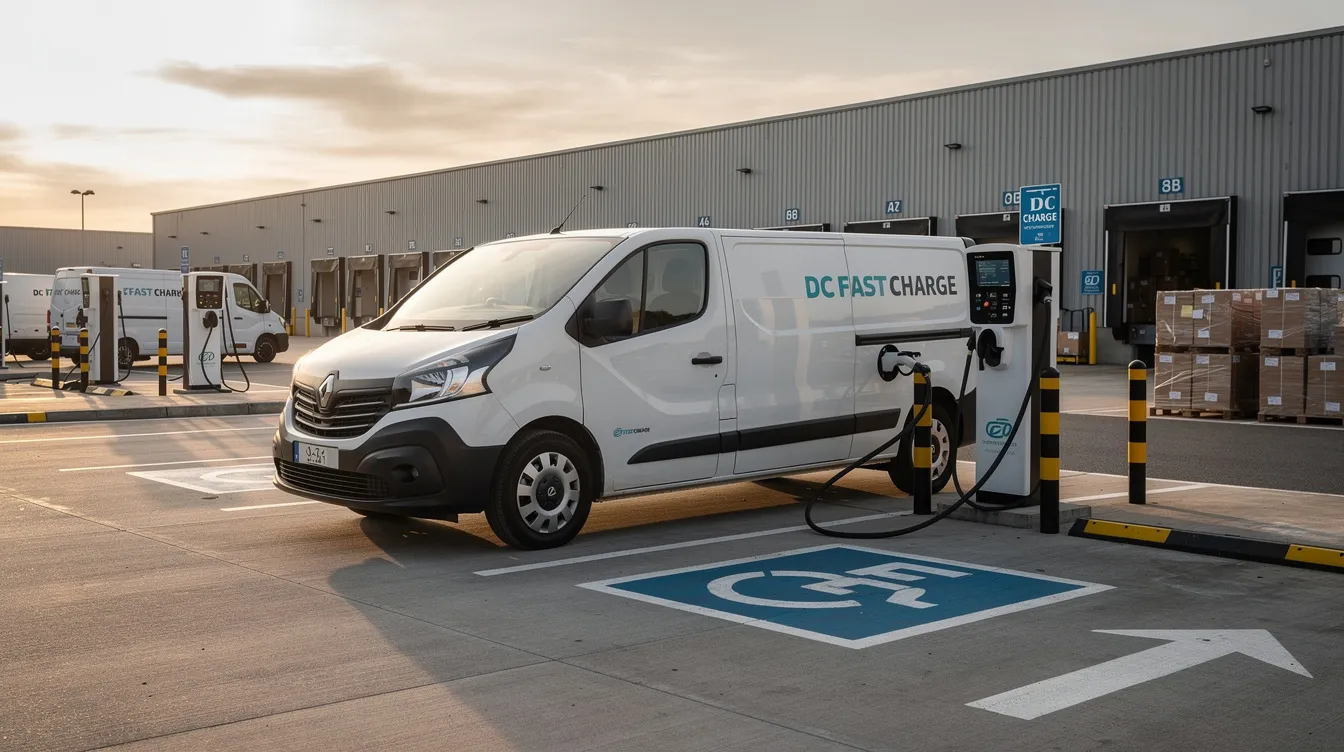
Federal and state incentives significantly reduce costs for new electric vehicles, plug in electric vehicle models, and commercial clean vehicles.
Federal New Clean Vehicle Credit
The Qualified Plug-In Electric Drive Motor Vehicle Credit can range from $2,500 to $7,500 based on battery capacity. Tax credits for electric vehicles can significantly reduce upfront costs, making them attractive for consumers and businesses. Starting 2024, credits can transfer to dealers at point of sale. Taxpayers should maintain documentation when claiming these credits on a tax return.
The federal tax credits for electric vehicles begin to phase out once an automaker sells 200,000 qualifying vehicles. MSRP and income caps apply—verify current thresholds before purchase.
Used Clean Vehicle and Commercial Clean Vehicle Credits
A separate credit covers qualifying used clean vehicles purchased from dealers, with dollar caps and income limits applying. Commercial clean vehicle credits help businesses offset fleet electrification costs.
How to Qualify and Apply for Green Tax Incentives and Rebates
To qualify for green tax incentives, businesses must meet specific requirements set by the government, including installation of renewable energy systems or energy efficient improvements. The process often requires documentation of expenses and compliance with federal state and local regulations.
Many green tax incentives are time-sensitive—installation deadlines determine eligibility. Use IRS Form 5695 for residential energy credits and consult professionals for business claims involving ITC, PTC, or Section 179D deductions.
Long-Term Financial and Environmental Benefits of Going Green
Tax laws can change, and the Inflation Reduction Act of 2022 has significantly influenced current incentives. State and utility programs have become primary savings sources as federal credits phase out. Many of these programs have received support through policies promoted by the White House.
Beyond immediate tax savings:
- Solar reduces energy bills by 50–100%
- EVs cut fuel and maintenance costs
- Improved property values for existing homes
- Competitive advantage for eco-friendly practices
Frequently Asked Questions
Can I claim both a tax credit and rebate for the same project?
Generally, yes, though rebates may reduce the cost basis used for calculating federal credits. Consult a tax advisor.
What if my credit exceeds my tax liability?
Most clean energy credits carry forward to future tax years until fully claimed.
Do renters qualify?
Renters generally don’t qualify for residential property credits but may access EV credits and state programs.
Where can I find state incentives?
Visit the DSIRE database, contact your state energy office, or review local utility programs.
Conclusion: Start Planning Your Next Green Investment
Current green incentives from the Inflation Reduction Act won’t last forever. List your upcoming projects—roof replacement, HVAC upgrade, vehicle purchase—and evaluate which sustainable practices qualify. The combination of tax breaks, lower utility bills, and environmental responsibility makes investing in clean energy a smart financial decision today. These investments also support broader green initiatives and encourage eco-friendly practices for the future.
Before making your next clean energy investment, speak with our team to identify the Green Tax Incentives and Rebates that may apply to your situation. We can help you evaluate available credits, deductions, and rebate opportunities so you can maximize savings while remaining compliant.
Whether you’re planning a solar installation, energy-efficient building upgrade, or electric vehicle purchase, our specialists can help you navigate changing incentive programs with confidence. Contact our team today to explore strategies that align your sustainability goals with meaningful financial benefits.