- Bridging Research Gaps and Business Goals
- Benefits of R&D Consulting
- Understanding R&D Consulting Services
- Tax Credit Consulting
- Industry Applications and Specializations
- R&D Consulting for SMEs
- Global R&D Consulting
- Digital Transformation in R&D Consulting
- Working with R&D Consultants: Process and Selection
- Common Challenges and Solutions
- Conclusion and Next Steps
- Frequently Asked Questions
Bridging Research Gaps and Business Goals
R&D consultants are specialized professionals who provide external expertise to accelerate research and development initiatives across industries. These consultants fill critical capability gaps by delivering technical knowledge, strategic guidance, and project management support that companies may lack internally. Integrity is a foundational value for R&D consultants, underpinning compliance, trust, and accountability for clients, candidates, and patients. Whether your organization aims to develop breakthrough products, optimize existing processes, or navigate complex regulatory requirements, R&D consulting firms offer the targeted capabilities needed to move projects forward with greater speed and precision.
This guide covers the full spectrum of R&D consulting services, including technical research support, strategic innovation consulting, and regulatory compliance guidance. Leading R&D consulting firms leverage a global network to connect clients with expertise and resources around the world, supporting innovation and collaboration on an international scale. Consultants build long-term partnerships with both clients and candidates, focusing on tailored solutions and mutual success. Specialized areas such as pure academic research without commercial application, full legal patent filings, or venture capital funding fall outside this scope, though they often connect to R&D consulting work. The target audience includes CTOs, R&D managers, startup founders in life sciences and technology sectors, and executives seeking external research expertise to strengthen their innovation capabilities.
R&D consultants are external experts who supplement or lead portions of the innovation lifecycle—from early-stage feasibility studies through product development, scale-up, and commercialization—providing the scientific and strategic expertise that organizations need but cannot efficiently maintain in-house. Industry specialization is crucial, as generalist firms may lack the nuanced understanding required for highly regulated fields.
By reading this guide, you will gain:
- Clear understanding of different R&D consultant types and their specific applications
- Criteria for selecting qualified consultants aligned with your projects
- Knowledge of engagement models and how they affect costs and outcomes
- Practical strategies for measuring ROI from consulting investments
- Methods for integrating external consultants with your internal team

Benefits of R&D Consulting
Partnering with an R&D consulting firm delivers a wide range of benefits for companies seeking to accelerate innovation and maintain a competitive advantage. In the life sciences sector, for example, consulting firms provide access to specialized expertise and resources that can be difficult or costly to build internally. This external support enables businesses to drive research and development initiatives forward with greater speed and precision, ultimately improving customer satisfaction by bringing new products and solutions to market faster.
One of the most significant advantages of R&D consulting is the ability to navigate complex regulatory environments and ensure ongoing compliance with federal and state requirements. Consulting firms offer valuable insights and guidance, helping companies avoid costly missteps and maintain eligibility for critical programs. Additionally, R&D consultants are adept at identifying and maximizing tax credit opportunities. For instance, companies can claim a tax credit for qualified research and development expenses—including wages, materials, and equipment—resulting in substantial cost savings and increased profitability. By leveraging the expertise of a consulting firm, businesses can ensure they are taking full advantage of all eligible credits and deductions, optimizing their financial position while advancing their innovation goals.
Understanding R&D Consulting Services
R&D consulting addresses a fundamental challenge facing modern businesses: the increasing complexity of innovation combined with limited internal resources. As technology advances across fields like biotechnology, AI/ML, and advanced manufacturing, organizations find it difficult to maintain all necessary expertise in-house. Market data indicates that approximately 38% of R&D expenditures now come from external sources, reflecting how companies increasingly rely on external partners to deliver research outcomes.
R&D consultants bridge internal capability gaps by providing access to specialized knowledge that would be prohibitively expensive to develop internally. They use proven methods to systematically identify and document eligible R&D activities, helping companies find (or uncover) opportunities for R&D tax credits that may have otherwise been missed. By facilitating collaboration between finance and engineering teams, R&D consultants improve financial tracking and outcomes, leading to better cost savings and more accurate claims. High-performing organizations now outsource substantial portions of what traditionally would be internal R&D to external partners, recognizing the strategic advantage of flexible expertise allocation. This approach can also create opportunities for internal teams to focus on their primary job responsibilities.
Effective R&D consultants combine technical and industry expertise, a defined methodology, and cultural fit with the hiring company to accelerate product lifecycles, conduct feasibility studies, and reduce technical risks.
Types of R&D Consulting
Technical consulting focuses on solving specific scientific or engineering problems. Consultants in this category handle experimental design, algorithm development, prototyping, materials testing, and process validation. They work directly with underlying technology to address research challenges that require deep domain expertise. Successful consulting engagements depend on aligning candidates’ skills and experience with the specific needs of each project, ensuring that professional expertise and relevant capabilities match the demands of the role.
Strategic consulting covers R&D portfolio management, innovation roadmapping, and alignment of research spending with business objectives. These consultants help leaders make decisions about which projects to pursue, how to balance incremental versus transformational innovation, and when to pivot or terminate initiatives.
Regulatory consulting provides critical support in industries where compliance determines market access. In life sciences, medical devices, and manufacturing, regulatory consultants map approval pathways, design clinical trials, prepare submissions to agencies like the FDA, and ensure quality systems meet required standards.
Understanding these different consulting types matters because each addresses distinct business needs. A company developing a new pharmaceutical product needs regulatory expertise alongside technical capabilities, while a software firm may require only technical consulting for AI/ML development. The hiring process for R&D consultants differs depending on whether the focus is technical product development or administrative support like tax credits and compliance; in both cases, consultants should have relevant technical and industry expertise, a defined methodology, and a strong cultural fit with the hiring company.
Core R&D Consulting Services
Research design and methodology development ensures experimental rigor from the start. Consultants structure design of experiments (DOEs), perform statistical planning, establish reproducibility protocols, and create risk mitigation strategies that prevent costly failures later in development.
Technology assessment and feasibility studies evaluate whether proposed initiatives can succeed technically and commercially. This includes proof-of-concept work, manufacturability analysis, materials compatibility testing, and cost feasibility projections that inform go/no-go decisions.
Intellectual property strategy and patent research help companies protect their innovations and maximize the benefits of their R&D investments. While patent attorneys handle legal filings, R&D consultants perform landscape analysis, identify freedom-to-operate issues, and align IP strategy with business goals. This support often connects to R&D tax credit eligibility, as documented research activities may qualify for federal incentives that offset development costs.

These services form the foundation of what R&D consulting firms deliver, though specific engagements combine them based on client requirements and take into account the unique needs of different organizations and offices.
Tax Credit Consulting
Tax credit consulting is a specialized service that helps companies unlock the full financial benefits of their research and development activities. Consulting firms bring deep expertise in identifying eligible projects and expenses, preparing comprehensive documentation, and ensuring strict compliance with IRS regulations. This process can be complex, but with the right consulting partner, businesses can confidently claim valuable tax credits and incentives.
For example, a consulting firm can guide a company through the process of claiming the federal Research and Development Tax Credit, which can significantly reduce tax liability. The firm assists in gathering and organizing the necessary documentation, such as completing Form 6765, and ensures that all claims are properly prepared and submitted to the IRS. Beyond the standard R&D tax credit, consulting firms can also advise on additional incentives, such as the Orphan Drug Tax Credit for life sciences companies, further enhancing the financial benefits. By leveraging the expertise of tax credit consultants, businesses can maximize their eligible claims, reduce costs, and improve their bottom line while maintaining full compliance with all regulatory requirements.
Industry Applications and Specializations
Different industries present unique challenges that require specialized R&D consulting approaches. The form of consulting support varies significantly based on regulatory requirements, technical complexity, and commercial objectives specific to each sector. Industry specialization is crucial, as generalist firms may lack the nuanced understanding required for highly regulated fields.
Leading R&D consulting firms also leverage their global network to connect clients with specialized expertise across industries.
Life Sciences and Biotechnology
Drug development consulting spans the entire journey from discovery through clinical trials. Consultants design target validation protocols, structure screening assays, and increasingly leverage AI-driven approaches that accelerate hypothesis generation. Generative AI is transforming how life sciences companies move from lab to clinic, compressing timelines and improving decision-making precision at each stage.
Medical device development requires consultants who understand both engineering challenges and regulatory pathways. They guide clients through FDA submissions, CE marking requirements, and quality system implementation. This regulatory consulting proves essential for companies entering markets where a single compliance failure can delay commercialization by years.
Biomanufacturing process optimization addresses the critical challenge of scaling laboratory success to production volumes. Consultants help clients improve yields, implement GMP compliance frameworks, and prepare for manufacturing audits. Case examples include consulting engagements where firms helped pharmaceutical companies achieve inspection readiness while building sustainable quality operations.
Technology and Software Development
AI/ML research consulting has expanded rapidly as companies across industries seek to implement machine learning capabilities. Consultants provide algorithm development support, model validation expertise, and guidance on critical concerns like explainability and bias mitigation. These engagements often require consultants with PhD-level credentials who can connect scientific research to practical software applications.
Software architecture consulting addresses complex technical products including embedded systems, cloud services, and IoT platforms. Consultants help structure systems for security, maintainability, and scalability—capabilities that enable companies to build sustainable technology advantages.
Cybersecurity research and vulnerability assessment has become essential as threats evolve. Consultants conduct risk assessments, penetration testing, and threat modeling that protect both products and operations from emerging attack vectors.
Manufacturing and Engineering
Process optimization consulting delivers measurable improvements in efficiency and throughput. Using lean R&D practices and continuous improvement methodologies, consultants help manufacturing operations reduce waste and accelerate production cycles.
Materials research consulting supports product engineering initiatives requiring novel materials, composites, or advanced manufacturing techniques. Consultants test durability, compatibility, and performance characteristics that determine whether new products can meet market requirements.
Sustainability consulting has grown as companies face pressure to demonstrate environmental responsibility. Consultants perform life cycle analysis, develop emissions reduction strategies, and ensure compliance with environmental regulations—services increasingly connected to corporate ESG commitments and green technology development goals.
R&D Consulting for SMEs
Small to Medium-sized Enterprises (SMEs) often face unique challenges when it comes to research and development, from limited resources to a lack of in-house expertise. R&D consulting firms play a crucial role in helping SMEs overcome these obstacles and achieve their innovation objectives. By partnering with a consulting firm, SMEs gain access to specialized knowledge in areas such as project management, technology development, and regulatory compliance, allowing them to focus on their core business operations.
Consulting firms also provide essential support in identifying and claiming tax credits and other incentives designed specifically for smaller businesses. For example, an SME might work with a consulting firm to develop a comprehensive R&D plan, identify all eligible expenses, and prepare a robust tax credit claim. Programs like the Small Business Innovation Research (SBIR) initiative can provide significant financial benefits, and consulting firms ensure that SMEs are well-positioned to take advantage of these opportunities. The result is increased cash flow, reduced tax liability, and a stronger foundation for future growth and innovation.

Global R&D Consulting
As companies expand into international markets, the complexity of managing research and development projects increases. Global R&D consulting firms offer the expertise and support needed to navigate diverse regulatory environments, manage cross-border projects, and ensure compliance with international standards. These firms help companies streamline operations, reduce costs, and access new markets by providing tailored services that address the unique challenges of global R&D.
For instance, a global consulting firm can advise on international tax credits and incentives, such as the European Union’s Horizon 2020 program, which offers substantial financial benefits for research and development activities. In addition to compliance and incentives, global R&D consultants assist companies in forming strategic partnerships, identifying new business opportunities, and conducting market research to inform decision-making. By leveraging the capabilities of a global consulting firm, companies can enhance their innovation efforts and achieve sustainable growth on a worldwide scale.
Digital Transformation in R&D Consulting
Digital transformation is reshaping the R&D consulting landscape, enabling firms to deliver more efficient, data-driven, and client-focused services. By adopting advanced digital technologies—such as artificial intelligence, machine learning, and data analytics—consulting firms can streamline research processes, improve collaboration, and deliver greater customer satisfaction.
These digital tools allow consulting firms to provide highly personalized services, using data and analytics to uncover opportunities for cost optimization and process improvement. For example, a consulting firm might use advanced analytics to review a company’s R&D spending, identify inefficiencies, and develop a customized strategy to reduce costs and maximize profitability. Digital platforms also enable real-time communication and support, ensuring that clients receive timely guidance and insights throughout the development process. As a result, digital transformation empowers consulting firms to deliver greater value, helping clients achieve their research and development goals with speed, precision, and measurable results.
Working with R&D Consultants: Process and Selection
Selecting the right R&D consulting partner determines whether an engagement delivers value or creates frustration. The process requires systematic evaluation of technical capabilities, cultural alignment, and commercial terms before committing resources to an external relationship.
Consultants should ensure transparency in pricing and demonstrate a commitment to innovation, rather than simply producing copies of past work. Hiring R&D consultants involves defining internal gaps, vetting technical expertise, and aligning on project outcomes. Key steps in hiring R&D consultants include defining project scope and objectives, locating and screening candidates, and evaluating them through interviews and reference checks.
R&D Consultant Selection Process
Companies should consider external R&D consulting support when internal teams lack specialized expertise, when projects require acceleration beyond normal timelines, or when objective external perspectives would strengthen decision-making.
- Define project scope and required expertise areas. Clarify whether the engagement requires early research, late-stage development, regulatory support, or strategic guidance. Document specific deliverables and success criteria before approaching potential partners.
- Evaluate consultant technical credentials and industry experience. Look for advanced degrees (PhD, engineering, or biomedical credentials), proven track records including publications and patents, and demonstrated success in similar projects. Regulatory experience matters significantly for life sciences and medical device work. Aligning candidates’ skills and experience with project requirements is essential for successful outcomes. When selecting consultants, it is also important to consider whether they have a defined methodology and are a good cultural fit with your organization.
- Assess cultural fit and communication capabilities. Effective consultants translate technical findings into business insights and work collaboratively with internal teams. Evaluate their ability to document clearly, provide regular updates, and adapt to your organizational structure.
- Review proposal methodology and timeline feasibility. Examine how consultants structure project phases, define milestones, and handle potential failures. Strong proposals include risk assessment and decision points that prevent wasted resources on unviable paths.
- Negotiate engagement terms and intellectual property arrangements. Define who owns resulting IP, licensing rights, confidentiality requirements, and publication permissions. Also clarify liability allocation and regulatory responsibilities before work begins.
R&D Consultant Engagement Models
| Engagement Model | Duration | Best For | Cost Structure |
|---|---|---|---|
| Project-based | 3-12 months | Specific research objectives with defined deliverables | Fixed fee with milestone payments |
| Retainer | 6-24 months | Ongoing strategic support and portfolio guidance | Monthly fee providing predictable costs |
| Staff augmentation | 6-18 months | Team capacity expansion and embedded expertise | Hourly or daily rate based on utilization |
Project-based engagements work best when scope is well-defined and deliverables are concrete. Fixed fees provide budget certainty, though contracts should include change-order processes for scope modifications.
Retainer arrangements suit companies needing continuous access to strategic guidance or periodic technical reviews. This model supports innovation portfolio management and helps align ongoing R&D investments with business objectives.
Staff augmentation embeds consultants directly within internal teams, providing the expertise of external hire without permanent headcount commitment. This approach maximizes knowledge transfer and cultural integration but requires more active management.
Choosing the right model depends on project clarity, budget structure, and how closely you need consultants integrated with internal operations.
Common Challenges and Solutions
Integrity, compliance, and accountability are fundamental principles for successful R&D consulting engagements, ensuring trust, protection, and ethical practices for all stakeholders.
Working with external R&D consultants introduces coordination complexity that companies must actively manage. Recognizing common challenges allows organizations to prepare mitigation strategies before problems affect project outcomes.
Demonstrated follow-through is essential—look for consultants with a portfolio of in-market projects, not just conceptual designs.
Additionally, maintaining sufficient profit margins is important to support employee well-being and ensure sustainable business operations.

Knowledge Transfer and Documentation
External consultants produce valuable insights, but this knowledge must remain accessible after engagements end. Establish clear documentation standards at project initiation, require regular knowledge-sharing sessions throughout the engagement, and assign internal employees as co-owners of key findings. Recording training sessions and maintaining shared project tools ensures your team can operate independently after consulting support concludes.
Intellectual Property Ownership
IP disputes create significant legal and commercial risks when not addressed upfront. Define ownership, usage rights, inventor attributions, and confidentiality requirements in detailed legal agreements before project initiation. Clarify who controls improvements to existing IP and how licensing arrangements work if consultants contribute to patentable inventions. These terms should align with your broader IP strategy and any R&D tax credit claim documentation requirements.
Integration with Internal Teams
Consultants working in isolation may deliver technically sound outputs that fail to align with organizational needs. Create structured collaboration frameworks that specify communication cadence, feedback loops, and decision-making authority. Assign dedicated internal liaisons who maintain project alignment and ensure consultant work connects to broader company objectives. Embedding consultants within team operations rather than treating them as external vendors improves outcomes significantly.
Cost Overruns and Scope Creep
Without careful scoping, R&D projects tend to expand beyond original parameters, driving up costs and extending timelines. Break engagements into phases with defined milestones and decision points. Include contingency allowances in budgets and require formal change-order processes for scope modifications. Clear documentation of what’s included—and explicitly excluded—prevents expectation misalignment that leads to disputes.
Conclusion and Next Steps
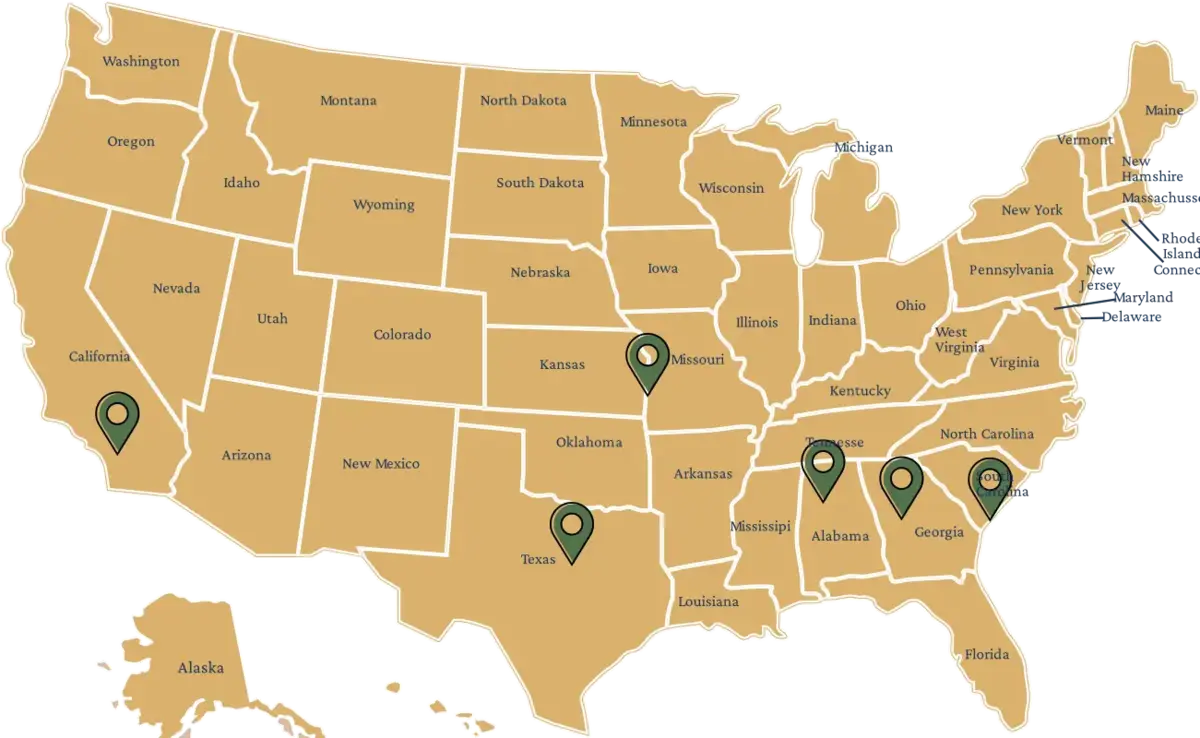
R&D consultants provide strategic advantages for companies seeking to accelerate innovation without permanently expanding internal capabilities. They deliver specialized expertise, proven methodologies, and objective perspectives that help organizations navigate complex technical and regulatory challenges. Leading R&D consultants leverage a global network to deliver results for clients around the world, connecting them with industry expertise and resources that drive innovation. R&D consulting firms serve clients across the country, providing national coverage and local expertise to address region-specific needs, including support for multiple offices. These consultants have delivered tangible financial and innovation outcomes for their clients, including significant tax credits and measurable business benefits. When selected carefully and integrated effectively, consulting engagements create measurable value through faster time-to-market, stronger IP positions, and more efficient development processes.
Immediate action steps:
- Assess your current R&D capability gaps and identify specific areas where external expertise would deliver the greatest impact
- Define clear project scope, success criteria, and budget parameters before initiating consultant searches
- Research potential consulting partners using the selection criteria outlined in this guide, focusing on demonstrated experience in your industry
- Prepare engagement terms including IP ownership, documentation requirements, and integration expectations before beginning negotiations
Related topics worth exploring include innovation management frameworks, technology transfer processes, and federal R&D tax credit programs that may provide significant benefits for qualifying research activities, including certain retroactive opportunities where applicable.
Ready to explore how expert R&D consulting can support your innovation goals? Visit the CTA website to learn more about available services and discover solutions tailored to your organization’s needs.
Connect with the CTA team today to discuss your research and development challenges and find the right strategy for long-term growth and success.
Frequently Asked Questions
What qualifications should I look for in an R&D consultant?
Seek consultants with advanced degrees (PhD, MSc, or equivalent) in relevant scientific or engineering domains and proven track records demonstrated through successful projects, publications, or patents. For regulated industries like life sciences, verify specific regulatory experience with agencies such as FDA or EMA. Beyond technical credentials, evaluate business acumen—strong consultants translate scientific insights into commercial strategy and communicate complex findings clearly to non-technical stakeholders.
How much do R&D consultants typically charge?
Rates vary significantly based on expertise level, industry, and geographic location. For life sciences regulatory and manufacturing consulting, expect junior analysts at $100-200 per hour, mid-level consultants at $200-400, and senior subject matter experts at $400-600 or higher. Principal advisors or former regulators may charge $600-1,000+ per hour. Technology R&D consulting ranges from $40-100 per hour for less specialized work to $200-400+ for experienced consultants in competitive markets. Daily rates typically fall between $1,600-3,200 for experienced professionals in specialized sectors.
What’s the difference between R&D consultants and innovation labs?
Innovation labs are internal organizational units that continuously experiment, prototype, and incubate ideas as part of ongoing company operations. R&D consultants are external partners engaged for specific projects, specialized expertise, or defined capacity needs. Labs focus on building internal culture and sustained innovation capability; consultants deliver defined outcomes, address specific technical risks, and accelerate time to decisions. Many companies use both approaches, with consultants filling capability gaps that internal labs cannot efficiently address.
How long do typical R&D consulting engagements last?
Project duration depends on complexity and scope. Moderately complex technical development or regulatory projects typically run 3-12 months. Strategic advisory or portfolio management engagements often extend 6-24 months to support ongoing decision-making. Staff augmentation arrangements commonly last 6-18 months, sometimes longer for large-scale initiatives. Life sciences projects involving multiple development phases and regulatory submissions may span several years with consultant support at critical milestones.
Can R&D consultants help with patent applications and IP strategy?
Yes, though actual legal filings typically require patent attorneys. R&D consultants perform patent landscape analysis, identify prior art and freedom-to-operate issues, help define inventive elements worth protecting, and align IP portfolios with business objectives. They support decisions about what to patent versus protect as trade secrets and can assist with IP due diligence for investors or M&A transactions. This strategic work connects to maximizing eligible R&D tax credit benefits, as documented research activities that support patent development often qualify for federal incentives.
How do I measure ROI from R&D consulting investments?
Key metrics include time-to-market reduction (months saved compared to internal-only approach), successful patent applications filed, regulatory approval success rates, cost savings in development or scale-up, and commercial performance of enabled products. For manufacturing consulting, measure yield improvements and efficiency gains. Strategic consulting ROI appears in portfolio performance—projects advanced, pivoted, or terminated at appropriate decision points. Track capability building and knowledge transfer as longer-term benefits that create ongoing value beyond the specific engagement. In many cases, it becomes obvious that effective measurement frameworks help organizations defend future R&D investments more successfully.