
Introduction to IRS Cost Segregation
Cost segregation allows property owners to accelerate depreciation, enabling them to reduce taxable income significantly and realize tax savings upfront instead of waiting 27.5 to 39 years. Rather than depreciating an entire building over decades, this strategy breaks down the property into individual components—each with its own recovery period under the tax code.
IRS cost segregation is an engineering-based tax planning strategy used to identify and reclassify building components to accelerate depreciation deductions. For any building placed in service after 1986, the IRS requires adherence to specific classification rules under IRC Sections 167 and 168. Understanding these rules matters because the agency’s focus is on method, documentation, and classification—not on eliminating the benefit itself.
Consider a concrete example: a $5M commercial building placed in service in 2023 could, through a proper study, reclassify 20-40% of its basis into 5-, 7-, or 15-year assets. At 80% bonus depreciation rates for 2023, this could yield $800,000-$1.6 million in first-year deductions, translating to several hundred thousand dollars in immediate tax savings at a 37% marginal rate.
This article walks through IRS expectations, common pitfalls, and how qualified professionals structure a defensible study. For more detail on irs cost segregation, this page focuses specifically on IRS requirements and best practices.

Table of Contents
- Cost Segregation Basics Under the Tax Code
- IRS Guidelines and Audit Expectations for Cost Segregation
- IRS Asset Classification Rules: Personal Property vs. Real Property
- Documentation, Audit Readiness, and IRS Risk Mitigation
- Retroactive Cost Segregation, Look-Back Studies, and Form 3115
- Is Cost Segregation Worth It Under IRS Scrutiny?
- FAQ: IRS Rules and Cost Segregation
- Conclusion and Next Steps
Cost Segregation Basics Under the Tax Code
Residential rental properties default to a recovery period of 27.5 years, while commercial buildings default to 39 years under MACRS. However, tangible personal property qualifies for 5 or 7-year lives, and land improvements like parking lots, sidewalks, and landscaping depreciate over 15 years.
A cost segregation study “dissects” total building cost into these buckets. Examples include:
| Asset Category | Recovery Period | Examples |
|---|---|---|
| Personal Property | 5-7 years | Carpeting, decorative lighting, dedicated electrical for equipment |
| Land Improvements | 15 years | Parking lots, sidewalks, landscaping, site utilities |
| Real Property | 27.5-39 years | Building shell, roof, load-bearing walls, central HVAC |
By segregating assets into shorter-lived categories, property owners can benefit from quicker depreciation, resulting in increased cash flow and the ability to reinvest in their properties sooner. The study does not create new deductions—it changes the timing of deductions to early years. This approach can also generate larger depreciation deductions during those earlier recovery periods.
The Tax Cuts for Jobs Act (TCJA) permits 100% bonus depreciation for eligible assets placed in service between September 28, 2017, and December 31, 2022, with a gradual reduction to 80% in 2023 and further declines through 2026. Reclassified assets with lifespans under 20 years may qualify for bonus depreciation, allowing a large percentage to be written off in the first year. Cost segregation studies are essential for identifying which assets qualify for bonus depreciation, as they help categorize assets into eligible class lives for accelerated deductions.
Cost segregation can be performed on newly built, purchased, or renovated properties, and the IRS accepts such studies when done according to its Audit Techniques Guide and relevant IRC sections.
IRS Guidelines and Audit Expectations for Cost Segregation
The IRS Cost Segregation Audit Techniques Guide, originally issued in 2004 and updated most recently in February 2025, serves as the primary examiner tool for evaluating studies. The IRS has established specific guidelines to govern the process of cost segregation studies, ensuring that they are conducted with accuracy and compliance.
Examiners focus on three areas:
- Who performed the study — Preparer qualifications and experience
- How assets were classified — Accuracy of categorizations under IRC sections
- Documentation quality — Supporting records and methodology
A professionally conducted cost segregation study is compliant with IRS regulations, which reduces audit risks while maximizing tax benefits, allowing taxpayers to claim deductions retroactively without amending past tax returns. Following IRS guidance does not guarantee avoiding an audit, but it makes the study far more defensible if examined.
Detailed Engineering Approach vs. Rule-of-Thumb Methods
The IRS explicitly favors a detailed engineering approach over shortcuts. This approach includes:
- Site visits when practical
- Review of as-built drawings and contractor pay apps
- Quantity takeoffs with unit costs
- Allocation of direct and indirect costs to specific assets
Disfavored methods include pure “rule-of-thumb” percentage allocations (e.g., blanket 20% personal property assumptions) or studies done solely from depreciation schedules with little or no documentation. Qualified professionals in cost segregation studies must have a thorough understanding of construction methods, tax laws, and cost estimation to accurately classify and value assets.
For properties over $1M+ in basis, the engineering approach is usually the only approach that will stand up well in an IRS exam.
Key IRS Criteria for a Quality Study and Report
The IRS’ Cost Segregation Audit Techniques Guide lists 13 principal elements of a cost segregation study, emphasizing the need for preparation by individuals with expertise and experience. Key elements include:
- Competence of preparer with construction background
- Use of actual costs over cost estimates where possible
- Clear explanation of methodology with unit costs and quantity surveys
- Reconciliation to total project cost
- Allocation of indirect costs proportionally
A quality cost segregation study must include appropriate documentation, a detailed methodology, and a legal analysis to ensure compliance with IRS guidelines. The final cost segregation report should tie asset classifications to specific Code sections, Rev. Ruls., and court cases like Hospital Corporation of America v. Commissioner (2001), where the Tax Court upheld aggressive reclassifications. A separate cost segregation report summary may also be prepared for internal review and recordkeeping purposes.
Studies with thorough documentation withstand IRS scrutiny. In contrast, weak methodology has led to 90% reclassifications back to 39-year property in audit situations.
IRS Asset Classification Rules: Personal Property vs. Real Property
The IRS requires segregation into three broad buckets: personal property (Section 1245), land improvements (15-year property), and structural real property (Section 1250).
Personal Property Examples:
- Decorative lighting and signage
- Movable partitions and non-load-bearing walls
- Specialty wiring for computers or machinery
- Cabinetry and carpeting
Land Improvements:
- Parking lots and driveways
- Sidewalks, curbing, and fencing
- Site lighting and stormwater drainage
- Landscaping
Real Property:
- Building shell and roof
- Load-bearing walls
- General HVAC systems serving the entire structure
- Elevators and general plumbing
To maximize the benefits of cost segregation, property owners should categorize building assets accurately and ensure that the study includes a detailed methodology, appropriate documentation and interviews with key parties involved in the property’s construction and use. A commercial property owner should review these classifications carefully before relying on the results. Misclassification—such as treating structural HVAC as 5-year property—attracts IRS scrutiny quickly.
Specialized assets in restaurants (kitchen hoods, POS wiring), medical facilities (X-ray shielding, exam lights), and manufacturing plants (cranes, dust collection) are often reclassified to shorter lives, with restaurants typically seeing 25-35% reclassification.
Common Classification Errors the IRS Targets
Common mistakes the IRS flags:
- Including land value in depreciable basis
- Classifying general building plumbing as 5-year property
- Double-counting the same component in two categories
- Unusually high percentages of 5/7-year property versus industry norms
These errors lead to disallowed deductions, interest charges, and potential accuracy-related penalties under IRC Section 6662. Office buildings typically show 10-20% in 5/7-year property; percentages significantly higher may trigger examination.
Property owners should ask their provider to walk through sample asset classifications and supporting authority before finalizing, reconciling results against construction contracts and accounting records. Providers should clearly explain how they classify assets and support those determinations under IRS guidance.
Documentation, Audit Readiness, and IRS Risk Mitigation
Maintaining detailed documentation throughout the cost segregation process is crucial for audit readiness, as inadequate documentation can lead to challenges during IRS audits and may result in disallowed deductions or penalties.
Records the IRS expects:
- Construction contracts and change orders
- Pay applications and invoices
- Engineering takeoffs with quantity surveys
- Reconciliation schedules tying to fixed asset ledgers
Maintaining electronic and hard-copy files organized by asset category simplifies responding to an IRS Information Document Request. Good documentation also makes updating the study easier if the property is renovated or partially disposed. Some firms maintain records using a standard numbering system to improve consistency across asset categories and supporting documentation.
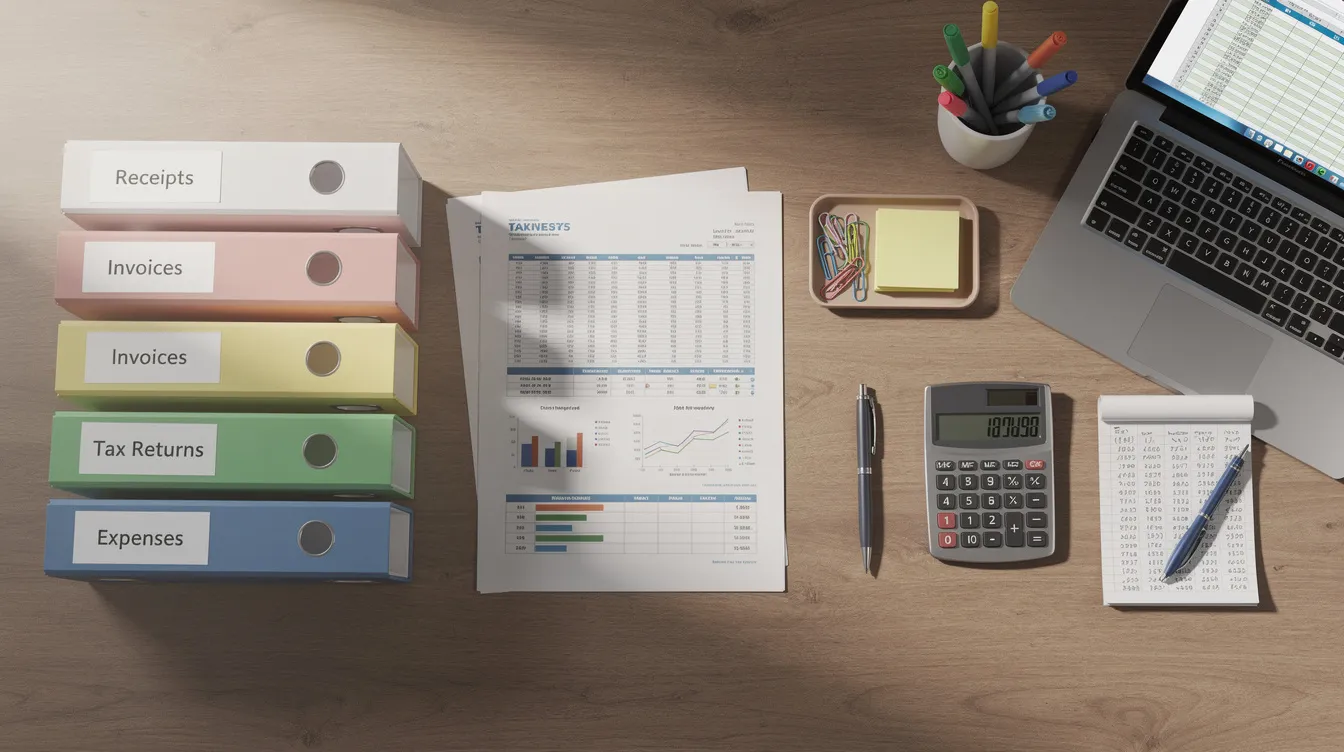
Inadequate Documentation: Red Flags and Consequences
Specific documentation failures IRS frequently cites:
- Missing invoices for large building components
- No support for cost allocation between building and land
- Heavy reliance on unsupported estimates
When documentation is weak, examiners may reclassify assets back to 39-year or 27.5-year property, reversing accelerated depreciation. One cautionary example: a taxpayer lost 70% of claimed benefits ($500K+ deduction) due to missing pay applications.
Treat documentation as an ongoing process—not something assembled hurriedly only if an audit notice arrives.
Working with Qualified Professionals to Meet IRS Standards
A quality cost segregation study should be prepared by an individual with expertise and experience, as studies conducted by construction engineers are considered more reliable than those performed by individuals without such backgrounds. The IRS emphasizes the importance of using qualified professionals for cost segregation studies to ensure compliance with regulations and to minimize audit risks.
Key questions for potential providers:
- Years of experience and number of studies by property type?
- Do they use licensed engineers (PE stamps)?
- How often have their reports been examined by the IRS?
- Will they provide technical support during audits?
Engaging experienced engineers and tax professionals up front costs far less than defending a weak study during an IRS audit. Avoid purely software-generated or “one-page” studies lacking narrative, asset detail, or reconciliation schedules.
Retroactive Cost Segregation, Look-Back Studies, and Form 3115
Owners can often take “catch-up” deductions for missed depreciation in previous years using IRS Form 3115 without amending past tax returns. This involves a Section 481(a) adjustment where missed depreciation is deducted in a single year.
Example: A property purchased and placed in service in 2018 could be studied in 2025, yielding a substantial one-time catch-up deduction of $600K or more—without touching prior returns.
The IRS still expects the same quality study and solid documentation for retroactive work as current-year projects. Using proper accounting methods and following irs rules remains essential. Proper support is especially important when moving assets into shorter recovery periods through a retroactive study.
Timing Considerations: When the IRS Expects a Study
The ideal time is the year the property is placed in service, so the first-year return reflects correct asset lives. However, IRS may scrutinize studies done immediately before a planned sale to ensure they are not purely tax-motivated without economic substance.
Upcoming legislative changes to bonus depreciation rates influence timing for maximum benefit. Coordinate study timelines with year-end tax planning and estimated payments to optimize cash flow.
Even used property with older in-service dates can benefit, but remaining depreciable life and planned holding period should factor into your overall tax strategy.
Is Cost Segregation Worth It Under IRS Scrutiny?
Cost segregation requires an upfront investment for the study and may result in depreciation recapture upon property sale at higher tax rates. However, a properly executed study often produces ROI far greater than the fee—typically 10-20x the study cost.
Thresholds where cost segregation makes sense:
| Property Type | Minimum Basis | Typical Benefit |
|---|---|---|
| Commercial Buildings | $500K-$1M+ | 15-30% reclassified to 5-year |
| Restaurants | $500K+ | 25-35% reclassified |
| Manufacturing | $1M+ | Up to 30% reclassified |
Benefits are greatest when property owners are in higher tax brackets and intend to hold assets for several years. Real estate investors particularly benefit from significantly reduced taxable income in early years.
Integrating IRS-Compliant Cost Segregation into Broader Tax Planning
Cost segregation interacts with other strategies:
- 1031 exchanges — Basis considerations for replacement property
- Qualified Improvement Property — Classified as nonresidential interior improvements with a 15-year recovery period eligible for bonus depreciation
- Partial asset dispositions — Claiming losses on replaced building components
- Repair vs. capitalization rules — Related issues under §1.263(a)-3
Aligning cost segregation with projected income, passive activity limitations, and real estate professional status can maximize tax savings. Tax advisors and cost segregation specialists should collaborate early in acquisitions and construction processes.
Use multi-year projections rather than judging solely by first-year benefits. Bonus depreciation allows for the additional write-off of an eligible asset’s value in addition to standard depreciation, significantly boosting tax benefits for assets with class lives of less than 20 years.
FAQ: IRS Rules and Cost Segregation
Does the IRS approve cost segregation?
The IRS accepts cost segregation when conducted according to its Audit Techniques Guide and IRC Sections 167/168. It views proper classification as ensuring compliance with tax laws—not a loophole.
Can the IRS disallow my study?
Yes, if methodology or documentation fails to meet standards. Studies lacking accurate classification, sampling techniques, or supporting records face higher audit risks and potential reclassification.
How long should I keep my cost segregation records?
Maintain records for at least seven years after the property is disposed of, including original construction contracts, invoices, and the study itself.
Can I do cost segregation on a building I bought years ago?
Yes. Retroactive studies using Form 3115 allow catch-up deductions for property purchased or newly constructed in prior years without amending returns.
What makes a study “IRS-compliant”?
Following the principal elements in the ATG: qualified professional preparation, detailed engineering approach, reconciliation to total project cost, and citations to specific building components and legal authority.
How do I choose a provider who understands IRS expectations?
Look for providers with a construction engineer on staff, proven experience with your property type, willingness to defend work during audits, and additional resources for complex situations.
Conclusion and Next Steps
IRS-compliant cost segregation remains a powerful, legitimate tool when executed with a detailed engineering approach, accurate classification, and strong documentation. Taking advantage of accelerated depreciation can significantly reduce taxable income while ensuring compliance with irs guidelines.
The key to minimizing IRS scrutiny is following Audit Techniques Guide standards and working with qualified professionals who can defend the study if examined. Property costs, depreciation schedules, and specific assets must all reconcile properly to withstand review.
If you own or are acquiring properties over $1M+ in building improvements, explore whether an IRS-aligned study could improve your tax position. Contact our team for a preliminary assessment of your property and potential cost segregation benefits.
With ongoing changes in tax laws and the bonus depreciation phase-down continuing through 2026, keeping both studies and strategies current with IRS guidance has never been more important.