
Table of Contents
- Introduction
- What Is Cost Segregation?
- What Is a Cost Segregation Study?
- Who Performs a Cost Segregation Study?
- Key Players
- When a Study Makes Sense
- Process & IRS Guidelines
- Audit Defensibility
- How to Choose Cost Segregation Consultants
- Real-World Outcomes
- FAQs
- Why Choose Experienced Cost Segregation Professionals
- Conclusion/Next Steps
Introduction: Why Cost Segregation Consultants Matter in 2026
Property owners and real estate investors are still focused on reducing taxable income and improving cash flow after several years of phased-down bonus depreciation rules and major 2025 tax law changes. In plain English, cost segregation consultants help commercial property owners accelerate depreciation on a commercial property, so deductions arrive in the early years instead of being spread across 39 years.
This comprehensive guide is for real estate owners, CPAs, and investors deciding whether cost segregation services make sense. A well-executed cost segregation study can create first-year tax savings that exceed the cost of the study; a poor one can create IRS risk, rejected tax deductions, and penalties.
What Is Cost Segregation and How Does It Improve Cash Flow?
Cost segregation is an IRS-recognized depreciation strategy that separates an entire asset into building components with different lives, usually 5, 7, 15, and 39 years, for income tax purposes. When a business buys or builds real estate, tax law typically requires the property to be depreciated over a long period: 39 years for commercial real estate or 27.5 years for residential rental property.
Instead of treating all structural components as having the same useful life, a study may identify:
- 5-Year Assets: carpeting, specialized electrical outlets, decorative lighting, security systems, and certain personal property.
- 7-Year Assets: office furniture, specialty equipment, and certain non-structural fixtures.
- 15-Year Assets: land improvements such as sidewalks, paved parking lots, fences, and shrubbery.
- 39-Year Assets: core structure, walls, roof, elevators, and many plumbing fixtures.
By reclassifying building components, property owners may create faster write-offs, lower taxable income, and improve cash flow. Cost segregation can significantly increase cash flow by allowing property owners to accelerate depreciation deductions, producing tax savings over several years. Under current federal rules, 100% bonus depreciation has been restored for many qualified assets placed in service after January 19, 2025, but owners should confirm the latest IRS guidance and state conformity with a tax advisor.

What Is a Cost Segregation Study? (With a Simple Example)
A cost segregation study is a process that categorizes different components of a property to allow accelerated depreciation. It is an engineering-based detailed analysis that assigns purchase price, construction-related costs, or building acquisition costs to individual components under IRS guidelines.
Example: assume a warehouse is placed in service in 2024 with a $2,400,000 purchase price. Land is $400,000, leaving $2,000,000 of depreciable basis. If segregation studies reclassify 30%, or $600,000, into shorter lives:
- No cost segregation: about $51,282 of first-year depreciation at 39 years. At a 35% tax rate, savings are about $17,949.
- With cost segregation study: if $400,000 qualifies for bonus depreciation and the remainder follows an accelerated depreciation timeline, first-year depreciation may exceed $500,000.
- Result: immediate tax savings may approach $175,000, depending on tax position, bonus eligibility, and state rules.
The IRS greatly favors a detailed engineering approach for cost segregation studies, emphasizing thorough analysis over generic software-generated estimates. Cost segregation consultants can also perform a look-back study, allowing businesses to claim missed historical depreciation in the current tax year using IRS Form 3115, without needing amended tax returns.
Who Are Cost Segregation Consultants and What Do They Do?
Cost segregation consultants combine tax knowledge, engineering expertise, construction experience, and practical real estate investments insight. They may be independent cost segregation professionals, accounting-firm teams, or multidisciplinary groups with CPAs, appraisers, and qualified engineers.
Their work includes:
- Feasibility review by property type, square footage, holding period, and tax position.
- Gathering detailed information such as closing statements, drawings, invoices, and change orders.
- Inspecting the property and identifying components.
- Estimating cost using engineering standards, vendor data, and construction databases.
- Classifying assets under irs regulations and current bonus depreciation rules.
- Preparing a report for the taxpayer and CPA.
The best cost segregation experts stay current on depreciation, court cases, and tax implications. They do not replace your CPA; they coordinate so the tax strategy supports passive income rules, future sales, 1031 planning, and other tax planning goals.
Key Players in a Cost Segregation Study
Cost segregation studies typically require a team of tax advisors and engineers to analyze property components and determine appropriate depreciation categories. The IRS specifies that a cost segregation study is more reliable when performed by individuals with significant backgrounds in both construction processes and depreciation tax laws.
CPAs or tax attorneys help select the depreciation strategy, evaluate income tax purposes, and review elections. Engineers and construction professionals review plans, walk the site, estimate systems, and assign individual components to proper lives. Cost estimators or appraisers reconstruct costs when records are incomplete. Project managers coordinate timelines and documents.
In smaller studies, roles may overlap, but tax, engineering, and construction costing still need to be covered by certified professionals who adhere to industry standards.
When Does a Cost Segregation Study Make Sense for Property Owners?
Not every property qualifies for a strong ROI. A study often makes sense when improvements exceed $750,000 to $1,000,000, although high-bracket owners may benefit below that level.
Good candidates include:
- Recent acquisition of commercial property.
- New construction or major renovation.
- Expansion, tenant improvements, shopping centers, or medical offices.
- Larger multi family properties and high-amenity short term rentals.
- Industrial sites with paving, fencing, and outdoor lighting.
Cost segregation is most beneficial when considered during active projects, such as acquisitions or renovations, rather than after completion, because it allows more strategic planning and decision-making. The optimal time to conduct a cost segregation study is during the year a property is acquired, constructed, or remodeled, as this timing maximizes the potential tax benefits. Many property owners overlook the importance of evaluating cost segregation until after renovations are completed, which can lead to missed opportunities for tax benefits that should have been considered during planning.
It may not be ideal if you plan to sell quickly, have little taxable income, or face unfavorable depreciation recapture without offsetting strategies.

How Cost Segregation Consultants Work: Step-by-Step Process
The process usually starts with a feasibility estimate. Consultants review basis, placed-in-service date, property type, prior depreciation schedules, and expected savings before full engagement.
Next comes data gathering: purchase documents, construction contracts, pay applications, change orders, site plans, architectural drawings, and prior tax schedules. Then the consultant performs a site visit or documented virtual inspection, photographing systems, finishes, land improvements, and use of space.
During engineering analysis, costs are assigned to 5-, 7-, 15-, and 39-year categories. Deliverables should include a narrative report, asset schedules, electronic fixed-asset files, and support for the CPA. A quality, IRS-compliant report should be roughly 25-40 pages long and include an itemized list of assets with their corresponding depreciation life, photos, and engineering calculations.
IRS Guidelines, Risk, and Audit Defensibility
Cost segregation is recognized by the IRS, but audit defensibility is essential when selecting a cost segregation consultant, as improper studies can lead to rejected tax deductions and penalties. Key authority includes the IRS Cost Segregation Audit Techniques Guide, revenue procedures for accounting method changes, and Tax Court cases.
Red flags include flat percentages, aggressive classification of structural components as personal property, no site inspection, missing tie-out to actual cost, and no reconciliation to the total project. Reputable firms provide backup workpapers and audit support. Ask how many studies have been examined and what their track record has been over the past five to ten years.
How to Choose the Right Cost Segregation Consultants
Choosing the right cost segregation consultant is critical for maximizing tax savings while minimizing audit risk. Look for licensed engineers, CPAs with real estate specialization, and cost segregation professionals with recognized training. The ASCSP member directory connects individuals and companies with certified professionals specializing in cost segregation studies.
Ask for anonymized examples for your property type, such as medical offices, industrial facilities, retail centers, or commercial property investments. Compare fixed fees, value-based pricing, and contingency-style arrangements. Confirm whether expert cost segregation services include feasibility analysis, full engineering review, written audit support, and CPA coordination.
A proven track record matters, but so does transparency. The right team should explain assumptions in plain English, not just that the study “creates savings.”
Real-World Outcomes: What Effective Cost Segregation Work Can Deliver
Effective cost segregation work often finds hidden cash flow by accelerating depreciation deductions that would otherwise be delayed.
- A mid-size apartment complex acquired in 2023 might reclassify 25–35% of building basis, creating a large accelerated basis deduction to offset rental income.
- A medical office may move interior build-outs, dedicated electrical, cabinetry, and specialty finishes into shorter lives, improving immediate cash flow for expansion.
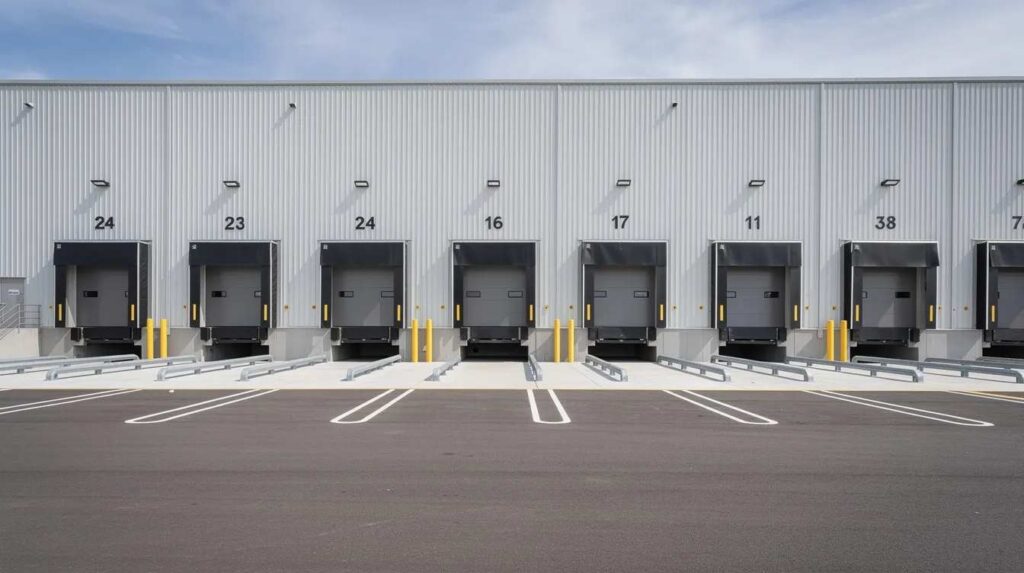
- An industrial facility may classify paving, fencing, and site lighting as 15-year land improvements, sometimes eligible for bonus depreciation.
Results vary, but strong studies can deliver significant tax benefits, substantial tax savings, and better liquidity for real estate owners.
FAQs About Cost Segregation Consultants
How much does a cost segregation study typically cost?
Fees vary by size, complexity, documentation, and property type. Smaller studies may cost a few thousand dollars, while complex commercial assets can cost $15,000 to $50,000 or more. The real question is whether projected tax benefits exceed the fee.
Do I need cost segregation services if my property is under $1 million?
Maybe. A smaller property qualifies when it has many short-life assets, strong taxable income, or high owner tax rates. A feasibility review can show whether the savings justify the money spent.
Can I do my own cost segregation study with software?
Generic tools may provide estimates, but the IRS favors engineering-based methods. For audit-resistant results, professionals should inspect records, categorize assets, and document calculations.
What happens if the IRS audits my cost segregation study?
The IRS may request the report, invoices, photos, and calculations. A defensible study aligned with IRS guidance is easier to support; an aggressive study can backfire through disallowed deductions, interest, or penalties.
Is it too late if my property was placed in service years ago?
Not always. The best time to conduct a cost segregation study is during the year a building is acquired, constructed, or remodeled, although a look-back study can be performed later to claim write-offs without amending prior-year tax returns.
What property types are common candidates?
Commercial property, multi-family assets, manufacturing facilities, professional offices, hotels, and certain short-term rentals are common. Pure land is not depreciable.
Why Choose Experienced Cost Segregation Professionals
Not all firms deliver the same detail, support, or audit readiness. Experienced teams use engineering-based methods, clear reports, CPA collaboration, and a proven track record across asset classes and markets.
They also help property owners turn cost segregation into a broader tax planning tool, considering renovations, future purchases, refinancing, and exit plans. That makes cost segregation a powerful tool to maximize deductions without ignoring compliance.
Conclusion: Turning Depreciation Strategy into Long-Term Cash Flow
A cost segregation study can unlock meaningful depreciation deductions and improve cash flow for commercial property owners and investors. Success depends on timing, proper documentation, IRS compliance, and coordination between property owners, CPAs, and cost segregation experts.
Review your current portfolio or upcoming acquisitions to see where cost segregation services may fit. Contact us for a no-obligation feasibility review, and share this article with your CPA or real estate partners so your next depreciation decision is proactive, not rushed.