Table of Contents
- Introduction: Why Clean Energy Tax Credits Matter Right Now (2024–2026)
- Overview of Federal Clean Energy Tax Credits After the 2025 Changes
- Residential Clean Energy Credit (Solar, Batteries, Geothermal & More)
- Energy Efficient Home Improvement Credit (Efficient Home Improvement Credit)
- Other Key Clean Energy Tax Credits for Vehicles, Charging, and Businesses
- New “Prohibited Foreign Entity” Rules and Timeline Changes for Large Projects
- Strategies to Maximize Your Federal Clean Energy and Energy Efficiency Tax Savings
- FAQs About Clean Energy Tax Credits
- Why Choose Our Team to Navigate Clean Energy Tax Credits
- Call to Action: Plan Your Clean Energy and Efficiency Upgrades Before 2025 Deadlines
Introduction: Why Clean Energy Tax Credits Matter Right Now (2024–2026)
Federal clean energy tax credits provide dollar-for-dollar reductions in federal income tax liability, making renewable energy installations and energy saving improvements far more affordable. But these incentives are time-limited. After the July 2025 budget reconciliation bill accelerated sunset dates, most clean energy credits for homeowners now end after December 31, 2025.
That means the clock is ticking. Whether you are considering solar panels, battery storage, heat pumps, or insulation, understanding these two credits-the residential clean energy credit and the energy efficient home improvement credit-is essential for taking advantage of every dollar available.
In this guide, you will learn which clean energy projects still qualify, how to claim the credit on your tax return, what the annual and per-item caps are, and which common mistakes cause homeowners to lose energy credits.
Overview of Federal Clean Energy Tax Credits After the 2025 Changes
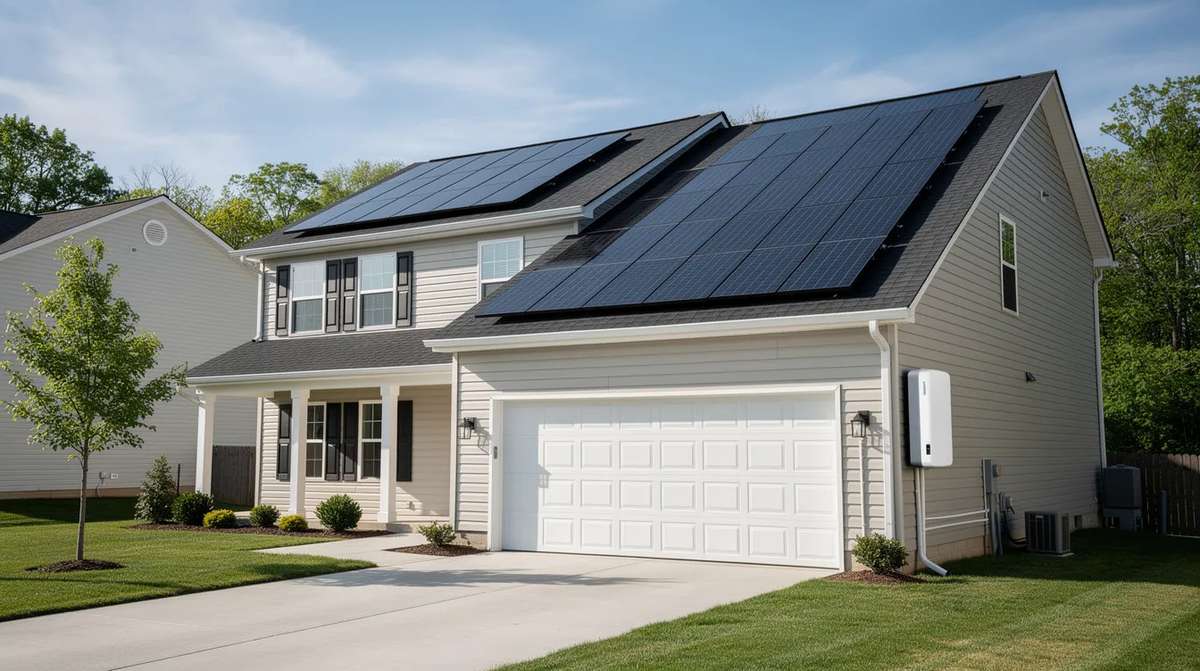
The Inflation Reduction Act significantly expanded clean energy tax credits, originally extending many residential energy credits through 2032. However, the One Big Beautiful Bill Act passed in July 2025 shortened those timelines sharply. Both the residential clean energy property credit and the efficient home improvement credit now expire for property placed in service after December 31, 2025.
Here is a quick snapshot of where things stand:
- The residential clean energy credit covers 30% of costs for qualifying renewable energy systems (solar, batteries, geothermal heat) through 2025.
- The energy efficient home improvement credit covers 30% of energy efficiency improvements up to annual dollar caps through 2025.
- The House Ways and Means Committee proposals within H.R. 1 also compressed timelines for commercial and utility-scale clean energy projects.
State and utility rebates often stack on top of federal energy tax credits and should factor into your planning, even though this article focuses on federal rules.
Residential Clean Energy Credit (Solar, Batteries, Geothermal & More)
The residential clean energy credit is the flagship clean energy credit for homeowners. It equals 30% of qualified clean energy equipment and installation costs for systems placed in service after December 31, 2021 and before January 1, 2026. The Residential Clean Energy Credit offers 30% off installation costs, and there is no upper limit on the residential clean energy credit. The solar tax credit is available through December 31, 2025.
“Placed in service” means your system is fully installed, inspected, and ready to operate-not just purchased. The credit is non-refundable and cannot exceed tax owed, but you can carry forward unused residential clean energy credit amounts to future tax years. For example, a $6,000 credit on a $4,000 tax liability leaves $2,000 to carry forward to future years.
What Clean Energy Equipment Qualifies in 2024–2025?
Qualifying clean energy equipment for new or existing homes includes:
- Solar photovoltaic panels and inverters (rooftop solar or ground-mount)
- Solar water heaters certified by the Solar Rating & Certification Corporation
- Geothermal heat pumps meeting energy star efficiency criteria
- Small wind turbines for residential use
- Fuel cell property (subject to special dollar limits)
- Stand-alone battery storage technology with capacity of at least 3 kilowatt-hours
The credit includes both equipment and labor costs related to site preparation, wiring, and connection. Only new, original-use clean energy equipment qualifies-used property does not. Standard roofing materials do not qualify unless they directly generate clean energy (solar shingles that produce electricity can qualify).
Eligibility Rules: Which Homes and Owners Can Claim the Clean Energy Credit?
You must live in the home to claim the energy credits. The credit applies to your principal residence and certain second homes you occupy part-time, though fuel cell property is excluded for second homes. Existing homes and newly constructed homes both qualify as long as you are the first owner occupying the property.
Landlords and investors who do not live in the property cannot claim this residential credit; their renewable energy systems fall under different business credits. If you share costs with another property owner, each can claim their proportional share. Renters may sometimes claim the credit if they purchase and own the system with written landlord permission.
Fuel Cell Property Limits and Special Rules
Fuel cell property has specific statutory caps: a base limit of $500 per half kilowatt of capacity, and a combined limit of $1,667 per half kilowatt for all residents in a single home. For a 4 kW system (8 half-kilowatts), the maximum credit would be $4,000, even if 30% of the total cost would suggest more. Fuel cells must be installed at your main home and meet specific performance standards-request manufacturer certification documentation before purchase.
How to Claim the Residential Clean Energy Credit
Claiming the Residential Clean Energy Credit requires submitting IRS Form 5695 with the tax return. Follow these steps:
- Confirm the tax year the system was placed in service.
- Gather invoices, proof of payment, and manufacturer certifications.
- Complete IRS Form 5695 (Residential Energy Credits), Part I.
- Transfer the credit amount to the appropriate line on Form 1040.
Never claim the credit in a year when the system was not yet operational. Keep digital copies of all documentation. Do not claim the same expenses under both the clean energy credit and any business energy tax credit.
Energy Efficient Home Improvement Credit (Efficient Home Improvement Credit)
This credit applies to energy efficiency improvements that make an energy efficient home more comfortable and less expensive to operate-think insulation, exterior doors, windows, and high-efficiency HVAC systems. Tax credits can reduce your federal income tax liability by a percentage of the cost of qualifying investments in these upgrades. Credits for energy-efficient improvements can be claimed annually through 2025.
This credit applies only to existing homes used as the taxpayer’s principal residence. New construction, rental properties, and homes where you do not reside are excluded.
Rules for Improvements Placed in Service in 2022 or Earlier
The former Nonbusiness Energy Property Credit had a lifetime maximum of $500 per taxpayer, with a $200 sub-limit for exterior windows. Eligible items included insulation, energy efficient exterior doors, high-efficiency furnaces and boilers replacing natural gas or oil water heaters, and certain advanced main air circulating fans. If you made qualifying upgrades before 2023 and never claimed the credit, you may still amend a prior tax return using Form 5695.
Rules for Improvements Placed in Service from 2023 Through 2025
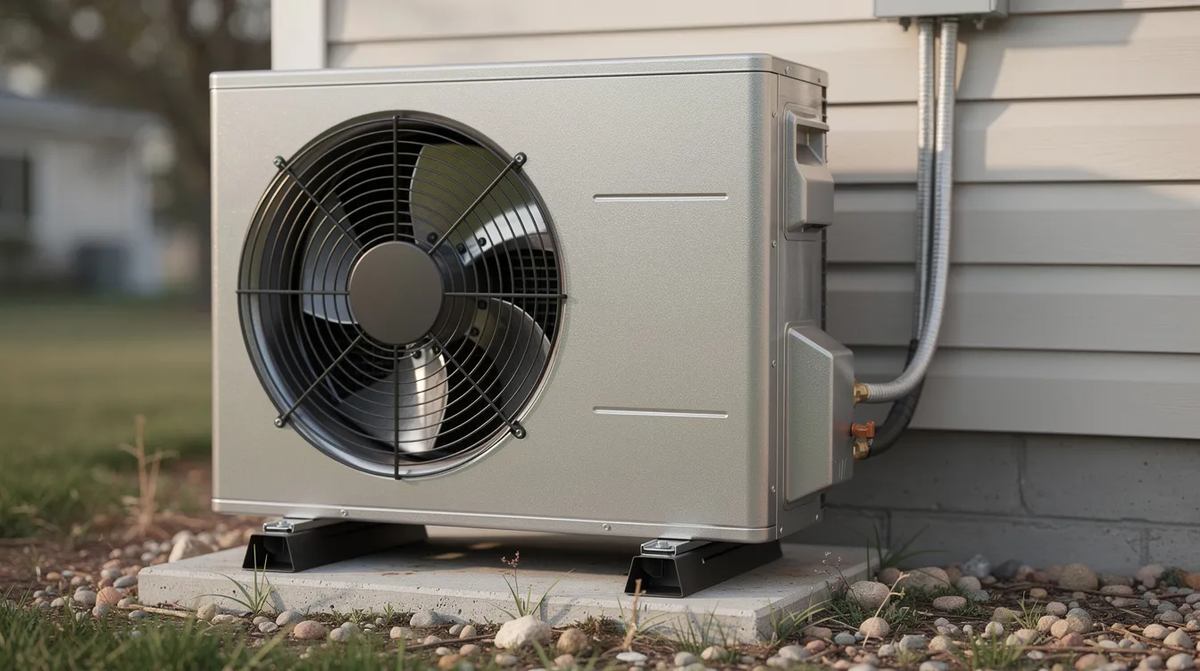
You can claim 30% of costs for energy-efficient home improvements up to $1,200 annually under the energy efficient home improvement credit. Additionally, the maximum credit for heat pumps is $2,000 per year-meaning homeowners can save up to $2,000 on heat pump upgrades, and heat pump water heaters and biomass stoves and biomass boilers also fall under this separate annual credit cap.
Key per-item caps include:
- Up to $250 per exterior door, $500 total for all doors per year
- $600 total for windows and skylights
- $150 for home energy audits
- $600 per item for most residential efficiency property like furnaces and central air
Unlike the residential clean energy credit, unused amounts of this credit generally cannot be carried forward. Spread projects-windows one year, a heat pump the next-to maximize your annual credit across multiple tax years.
Product Requirements, Energy Star Standards, and 2025 PIN Changes
For 2025, manufacturers must register as qualified manufacturers and assign a product identification number (PIN) to each eligible component. Homeowners must retain documentation showing the PIN and manufacturer code, and enter the required information when filing. This applies to specified categories like heat pumps, water heaters, and biomass boilers. Verify energy star ratings and IRS eligibility before purchase.
Claiming the Energy Efficient Home Improvement Credit
Complete Form 5695, Part II. Verify each product meets IRS efficiency requirements and has a PIN if required starting in 2025. Costs reimbursed by utility rebates or state grants must be subtracted from the amount used to calculate your federal credit. This credit is nonrefundable-credits are nonrefundable and can reduce tax owed to zero but do not result in refunds for excess amounts. It mainly benefits taxpayers with at least some gross income generating federal tax liability.
Other Key Clean Energy Tax Credits for Vehicles, Charging, and Businesses
Clean Vehicle Credits and Commercial Clean Vehicle Credit
Clean Vehicle Credits provide incentives for the purchase of new or used electric vehicle models meeting price, income, and assembly requirements-typically up to $7,500 per clean vehicle. The commercial clean vehicle credit offers up to $7,500 for smaller vehicles and $40,000 for heavier ones, with no battery assembly location requirements. Note that the clean vehicle credit may expire around September 30, 2025-verify current IRS guidance before purchase.
Alternative Fuel Refueling Property Credit
The alternative fuel refueling property credit covers up to 30% of costs for installing EV charging stations and alternative fuel refueling equipment, often capped at $100,000 per station for businesses in qualifying locations. Home EV chargers may qualify for smaller credits. Coordinate with utility rebates to reduce net costs-resources like Rewiring America can help identify local programs.
Advanced Manufacturing and Production Credits (45X, 45Z, and Related)
The advanced manufacturing production credit supports U.S. clean energy components by providing per-unit credits to domestic manufacturers of solar modules, battery cells, and inverters. Production Tax Credits (PTCs) are based on the amount of energy generated by renewable sources, while Investment Tax Credits (ITCs) are based on a percentage of project installation costs. Technology-neutral credits under sections 45Y and 48E will eventually replace traditional PTC/ITC structures, though H.R. 1 proposes accelerated phase-outs.
Monetizing Clean Energy Credits: Direct Pay and Credit Transferability
Businesses can monetize clean energy tax credits through direct transfer to unrelated parties for cash. Direct payment options for clean energy tax credits provide cash refunds in lieu of credits for tax-exempt entities. Both mechanisms require electronic pre-filing registration with the IRS. These tools can also benefit community solar projects and school districts installing renewable energy systems.
New “Prohibited Foreign Entity” Rules and Timeline Changes for Large Projects
H.R. 1 introduces stringent prohibited foreign entity rules targeting relationships with certain countries, compressed construction deadlines, and strict placed-in-service windows for large clean energy projects. Many facilities must begin construction within 60 days of enactment and be placed in service by 2028. Family attribution rules and payment-percentage thresholds create extensive due-diligence burdens. Residential homeowners mainly need to focus on the shortened December 31, 2025 deadline rather than these foreign entity rules, which primarily impact supply chains, interest paid on project financing, and large-scale project finance structures. Reducing greenhouse gas emissions and combating climate change remain central goals, but the policy landscape for large projects is shifting rapidly.
Strategies to Maximize Your Federal Clean Energy and Energy Efficiency Tax Savings
Create a multi-year upgrade plan. Prioritize large renewable energy installations (solar, battery storage, geothermal) in 2025 to capture the 30% clean energy credit before it expires. Schedule energy efficient home improvement work-insulation, windows, HVAC systems-to use the $1,200 plus $2,000 annual caps effectively.
Verify energy star ratings before purchase. Confirm contractors provide itemized invoices. Keep digital copies of all loan origination fees, receipts, and certifications. If your tax bill is modest, consider spreading clean energy projects across years so the nonrefundable credits do not go to waste.

FAQs About Clean Energy Tax Credits
Do I need to itemize deductions to claim these credits? No. Both the residential clean energy credit and the energy efficient home improvement credit are claimed directly on your tax return via Form 5695, separate from itemized deductions. They work regardless of whether you take the standard deduction.
Are clean energy tax credits refundable? The residential clean energy credit is non-refundable and cannot exceed tax owed, but unused credits can be carried forward to future tax years. The energy efficient home improvement credit also cannot exceed your tax liability and generally cannot be carried forward.
Can I claim both credits in the same year? Yes. You can use these two credits in the same tax year as long as you are not applying the same dollar of spending to both. For example, your solar panels use the clean energy credit while new windows use the efficient home improvement credit.
What documentation do I need? Keep invoices, receipts, product certifications, energy star labels, photos, manufacturer PIN documentation (for 2025), and financing agreements. These protect you if the IRS requests proof.
Can landlords claim clean energy credits? A property owner who does not live in the home cannot claim residential clean energy credits. Business or commercial credits may apply instead. Mixed-use homes require allocating costs between personal and rental use.
How do state rebates affect my federal credits? Most rebates reduce the expenses eligible for federal credits. Some performance-based payments may not. Always check program terms and subtract rebates from your qualified costs before calculating the credit amount.
Why Choose Our Team to Navigate Clean Energy Tax Credits
Navigating the financial benefits of clean energy tax incentives requires more than reading IRS publications. Our team has deep familiarity with both the residential clean energy credit and the energy efficient home improvement credit, including changes from the 2025 budget reconciliation tax bill and related proposals. We help homeowners coordinate clean energy equipment installations with state incentives, utility rebates, and filing timelines so no credit goes unclaimed. Our people-first approach translates complex clean energy tax rules into clear, actionable project plans.
Call to Action: Plan Your Clean Energy and Efficiency Upgrades Before 2025 Deadlines
Most of the valuable energy upgrades credits for homeowners end after December 31, 2025. Schedule a consultation today to receive a personalized clean energy tax credit review. Share your planned home upgrades-solar, battery, heat pump, insulation, windows-and get a sequenced plan that maximizes available credits. We can help you prepare Form 5695 and related filings to claim the credit correctly.
Smart use of clean energy tax credits can lower energy bills, improve comfort, and support a more resilient, clean energy home for years to come. Do not let these financial benefits expire unused.